Blog

How do you assess student learning in the library? It is challenging for a number of reasons, mostly due to time constraints. We have to teach a lesson or do story time, do book check-in and check-out and take care of a hundred other tasks, often with little or no assistance. And we have to do all this in around 40 minutes (give or take). This leaves little time for any kind of assessment. So when I heard about Plickers I was very excited. Plickers is a free online assessment tool that can easily be used in the school library. Even though it has been around for a while, I somehow just discovered it. It is easy to set-up and requires only one mobile device (for teacher use). And best of all – it’s free! You create the questions and the students respond by holding up their paper clicker
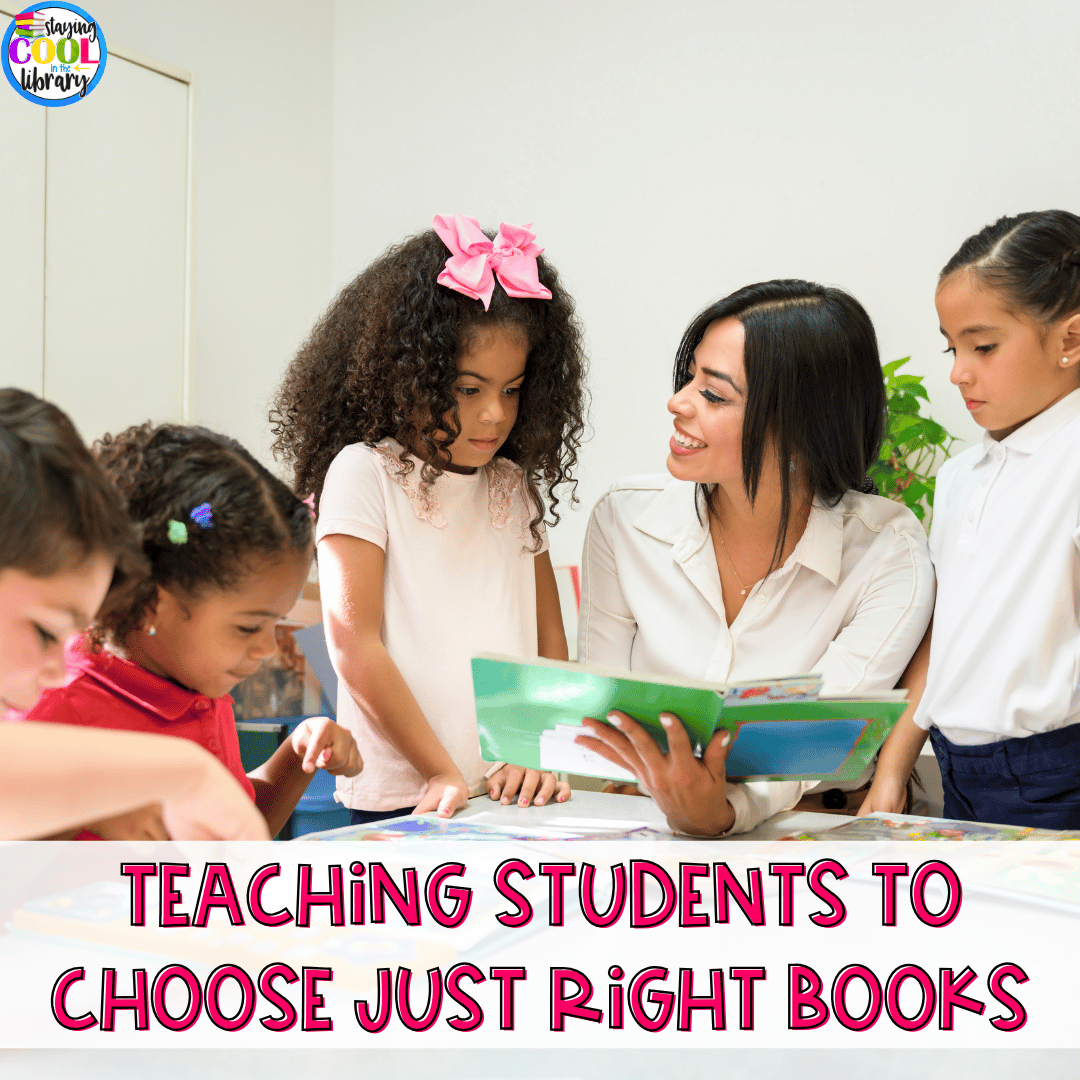
Finding just right books is something that a lot of our students struggle with, especially early in the year. Some grab a book that looks fun but is way too hard. Others pick something that’s super easy just to get it over with. Then, some feel completely overwhelmed and don’t even know where to begin. That’s why I make it a point to teach this skill in the library, not just leave it up to the classroom setting. Even though I revisit the concept of just right books throughout the year, I like to start the conversation with second graders. That’s when I introduce the Five Finger Rule and dive deeper into helping them understand what it really means to choose a book that fits them. One that’s not too hard or easy but just right. I’ve built this lesson out over the years to include read-alouds, modeling, interactive
Teacher-librarian collaboration can be difficult in the best of situations, but if you are on a fixed schedule this can be even more challenging. When I was working on my Master’s degree I took an entire class on collaboration one summer. When I went back to school I was so excited to implement what I learned. I scheduled a meeting with my principal to discuss strategies to increase collaboration with teachers. My principal’s solution? To make it mandatory that every teacher collaborated with me at least one time during the school year and to provide documentation to show what we did. Well, I’m sure you can imagine that went over like a lead balloon. One of the biggest issues was that I had no time to meet with teachers. Their planning time was during specials so it was hard to sit down and plan together. And I was not
Classroom management can be quite an adventure for librarians and other “specials” teachers. We’ve all been there trying to keep things on track when we only see our students once a week for a brief session. Kids often see their specials time as a chance to chat with friends and take a break from the regular school grind. Plus, knowing they won’t get a grade for our activities can make them think they don’t need to put in the effort. With so much to cover in such a short time, it’s easy to miss some of the mischief. That’s why today, I’m excited to share a fantastic system that uses digital rewards to keep students motivated and focused on the task at hand! How Did the Digital Rewards System Get Its Start? Over the years, I’ve tried all sorts of systems to encourage positive behavior. I’ve done sticker charts,
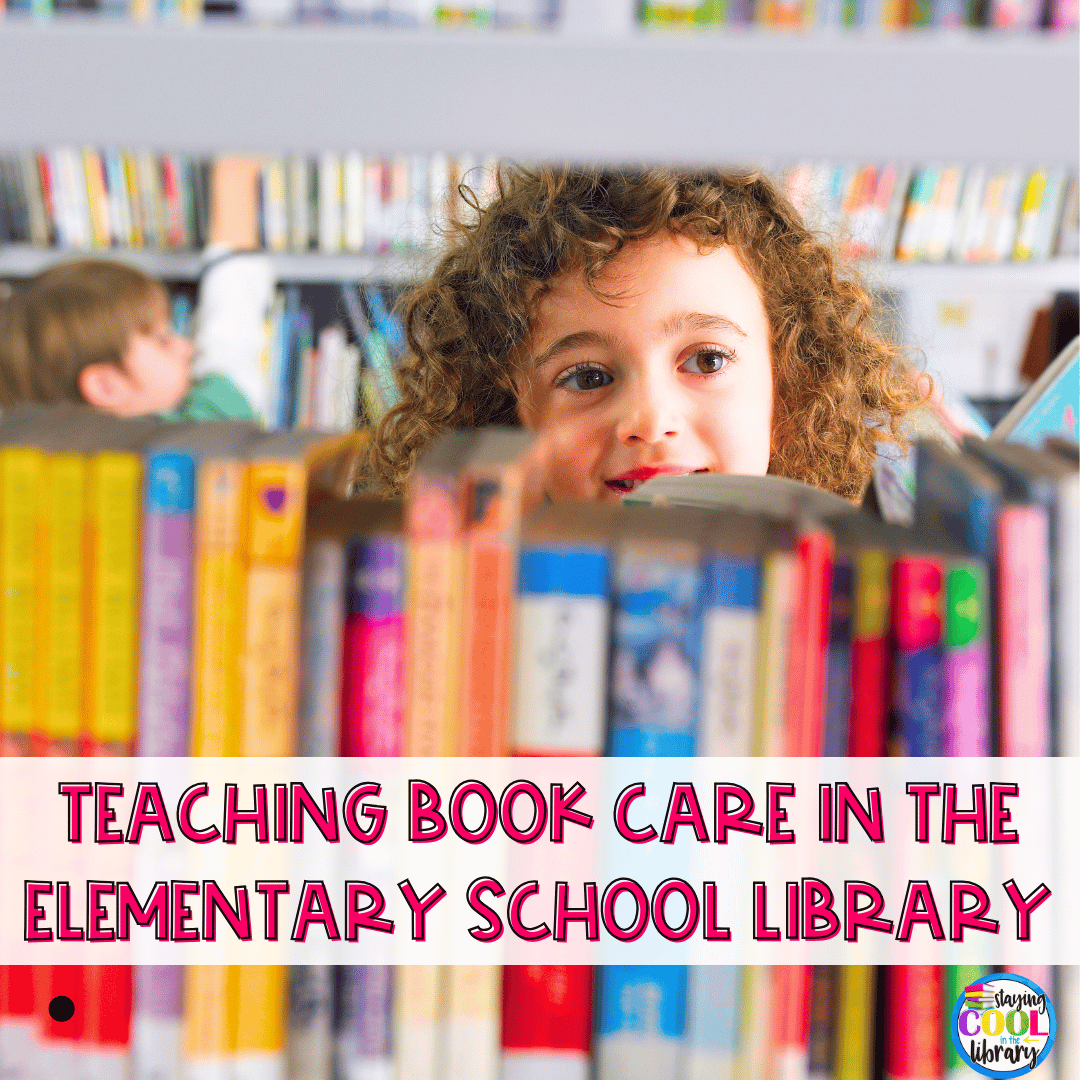
One of the most important lessons you can teach in the elementary school library is book care. It’s not just about keeping books neat. It’s about helping our kiddos understand respect, responsibility, and the shared joy of reading. When our students know how to care for books, they’re learning life skills that will serve them well everywhere. When I first became a librarian, I assumed older students already knew how to handle books responsibly. I quickly realized that many kids didn’t have books at home or hadn’t been to a public library before. For them, the elementary school library was the first place they encountered books they were trusted to borrow. That’s why book care became a central lesson, not just for kindergarten and first grade, but for every grade level. Why Book Care Matters in the Elementary School Library Teaching book care in the elementary school library is
As librarians, the whole world, through books, is available to us. We have the power to expose our students to so many different themes and topics. We don’t have to limit our lessons to the world of reading and the Dewey Decimal System. Instead, we can truly take them on an adventure into anything and everything through books. Today, I’m sharing my favorite STEM picture books for kids that have helped me open the door to the world of science, technology, engineering, and math in the library. STEM: Science, Technology, Engineering and Math STEM is more than just the current education buzzword. It teaches our students critical skills that they will use for the rest of their lives. Being the school librarian, I love using STEM picture books to facilitate these skills in the library. A few of the benefits of a STEM curriculum include: Of course, one way that

Staying Cool in the Library is my blog, where I share my passion for fostering a love of reading with children. As a librarian, I believe reading should be fun and accessible to all students. That’s why I share engaging and interactive lesson plans, creative ways to build exciting library collections, and resources to inspire even the most reluctant readers in any classroom or library. Check out my blog posts and products in my store, and join my email list below.

Join the free resource library!
Discover new ideas and strategies
Be the first to know about new and updated products
Access to the free VIP RESOURCE LIBRARY!
Thank you for subscribing!

Categories