Blog

As school librarians, we juggle so much – circulation, shelving, displays, and helping our students find the perfect book to spark their curiosity. It’s a lot to handle and, some days, it can feel like you need an extra set of hands (or five). That’s where library helpers come in! They’re the secret to keeping your library running smoothly while giving students a sense of ownership and responsibility. Whether it’s shelving books or organizing supplies, library helpers can transform your space into a more efficient and welcoming environment. Today, I’m sharing some tips and guidance for how to get library helpers started in your library! Why Library Helpers Are a Game-Changer Having library helpers has completely changed how I manage my library. They don’t just take a load off my plate. They also make the library feel like a shared space where everyone contributes. These student volunteers bring so
If you’ve ever watched your kiddos light up when they connect with a story, you know how powerful books can be. When I introduce different types of genres in the school library, it’s a chance to open the door to new worlds, big ideas, and unforgettable adventures. Picture and chapter books are great for lessons because they’re perfect for breaking down genre elements while keeping children engaged. Whether you’re working with primary students or upper elementary readers, there’s something magical about finding just the right book to bring a genre to life. Today, I’m sharing some favorites that I use when teaching the different types of genres to my students. Breaking Down the Types of Genres Before diving into book recommendations, let’s take a moment to break down what makes up each genre. Understanding the key features of each genre helps our students recognize patterns and appreciate the storytelling
Navigating the writing process can be a common challenge, both for me personally and for my students. From deciding where to start to organizing thoughts, the struggle is real. Whether assisting my students in their writing journeys or diving deep into reading comprehension, helping students work through all the thoughts and ideas can be challenging. That’s where the magic of graphic organizers comes in! Today, I’ll walk you through why graphic organizers are a must-have in your toolbox, what exactly they are, and throw in a few examples that you can use with your students! What Are Graphic Organizers? Have you ever been lost? Maybe you’ve been lost literally in a new place, or maybe you have felt lost in a school subject. Both scenarios create an icky feeling of being overwhelmed and hopeless. When students feel like this they have racing thoughts overpowering each other in their heads,
While sometimes it feels like there aren’t enough hours in the day to tackle everything on our to-do list, being an elementary or middle school librarian is such a rewarding gig! From cataloging new books to organizing reading programs and helping students find their next favorite read, there’s a lot of variety in this job! If you love what you do, but need some systems to help make it more efficient, I’ve got your back! Let’s talk about my school librarian survival kit and how it will be a total game-changer for you. What’s Included in This School Librarian Survival Kit My school librarian survival kit has EVERYTHING you need to rock the new school year. It includes lesson plans, activity ideas, library management tips, and even some fun decorations to brighten up your space. With these resources, you’ll have all the tools to keep your library running smoothly
Growing up, it seemed like the only reading materials that had pictures with captions were superhero comics. My brother loved reading them, so as the younger sister, I despised them. Sibling love, right? As I grew older and began helping other kiddos find their love of reading, I stumbled upon something in children’s literature: graphic novels! But here’s the deal my friend, not all graphic novels are created equal, especially for our younger readers. After combing through lots and lots of graphic novels I have some definite favorites! These are my “picture perfect picks” of graphic novels for elementary students. When choosing graphic novels for our libraries we want to make sure we’re picking the ones that entertain, educate, and inspire little minds. Look for graphic novels that introduce young readers to diverse characters, ignite their imagination, and spark a real love for reading while also supporting new readers!
Why do you read? The other day in a conversation I was asked why I read so much. I personally read because I can travel the world and meet impactful people (real and make-believe). Bonus: being able to do this from the comfort of my home and all for a fraction of the cost! The story jumps off the pages turning into a movie. One of my goals is to help my readers experience the same joys of reading. One way I do this is by introducing them to graphic novels. Graphic novels aren’t just a visual form of storytelling; they also come with many benefits for reading. These books combine eye-catching artwork and entrancing narratives to create an unforgettable reading experience. From enhancing literacy skills to fostering a love for reading, graphic novels have something to offer all readers. Let’s explore the benefits of the colorful and captivating
As much as I wish my students were all obsessed with reading, I recognize that many of them come with fears or walls built up. I owe thanks to many of my classroom teachers and school librarians for helping me become the bookworm I am today. It was their unique and engaging reading games that helped me form a positive friendship with reading. I hope, like we all do, that we can play a part in igniting a love of reading in our students! One way to help develop a positive foundation between your students and reading is through presenting reading lessons in a fun, game-like manner! I incorporate reading games as much as possible to create a relaxed learning environment for my kids. Whether you are a classroom teacher or a school librarian, I hope you find a new reading game, or two, that will help you to
One of the many tasks I am given as a school librarian is to help foster a love of reading in our students. Reading is such a passion of mine because of the adventures I can go on and the lessons I can learn. All students should have access to positive reading experiences, whether it be in partners, small groups, or independently. For many years now, the Accelerated Reader program has been a popular program to add some accountability to independent reading. But it can cause stress for some students, and for others the requirement of hitting a goal takes all the fun out of reading. So let’s talk about five accelerated reader alternatives that are fun and effective. 1. An Epic! Alternative to Accelerated Reader Epic! is one of the first alternatives for the Accelerated Reader program I recommend due to the eye-catching and easy-to-navigate site. Students receive
As the school year winds down, we want to empower our students to continue learning through the summer. Summer reading programs are a great incentive for students to read during the summer months. And while this is a wonderful way to help avoid the summer slide, I also believe that summer reading is a great way to help kids fall in love with reading. Here are 9 free summer reading programs that will have your students staying on top of their reading all summer long! 1. Local Libraries’ Summer Reading Programs Discover the amazing wonders that your local library has to offer! Many libraries will have summer reading programs for different age ranges. You may even remember participating in one when you were growing up! The summer reading programs at your libraries are free to sign up for. The milestones of the program may vary from library to library.
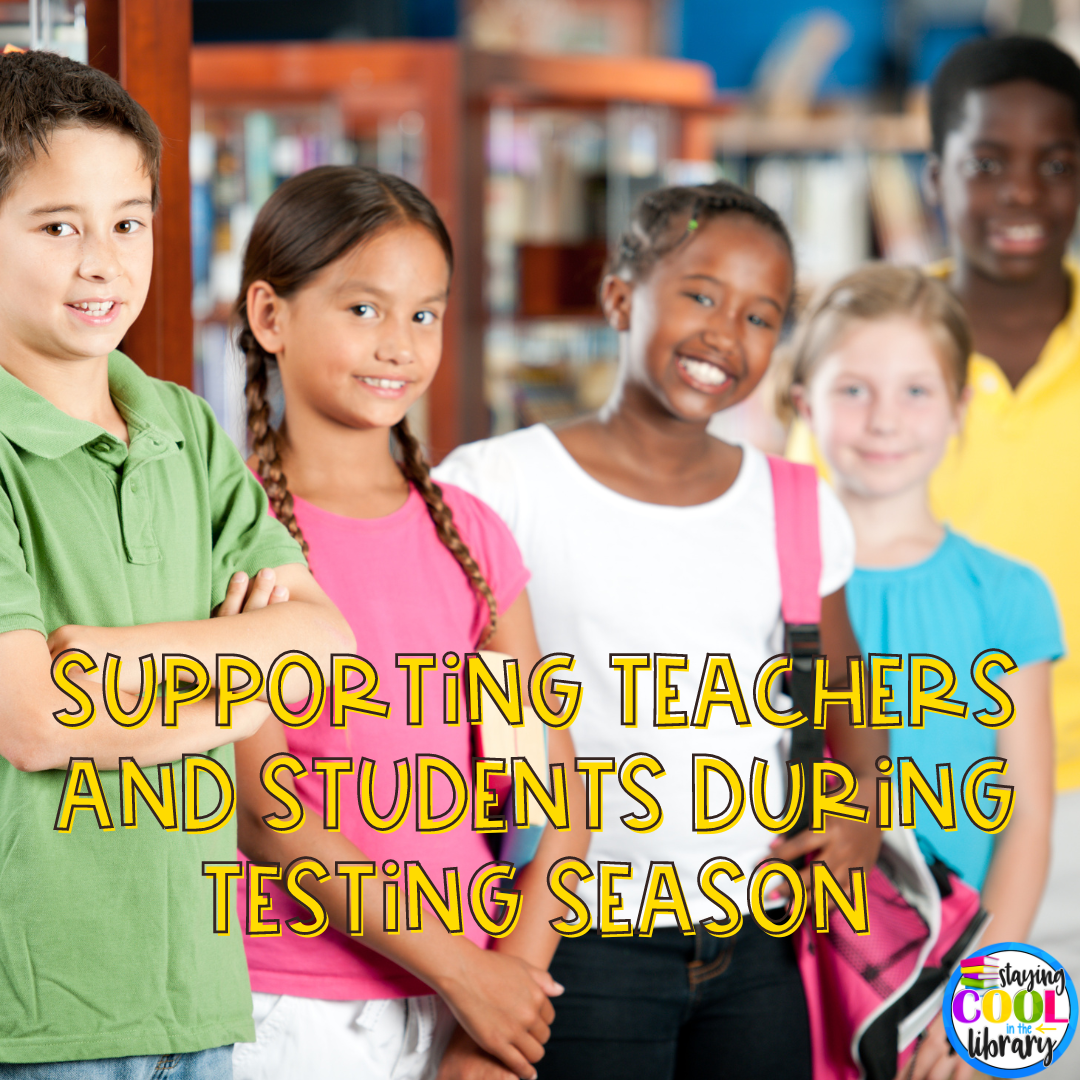
Like it or not, standardized testing is a part of our education system. This article is not to debate whether standardized testing is good or bad – but instead to focus on what we, as librarians, can do to support the teachers and students during this stressful time of the year. Although we aren’t teaching a tested subject area, that doesn’t mean we can’t have a positive impact during testing season. Here are 6 practical ways you can help your campus in the days and weeks leading up to standardized testing. 1. Help with Review In the weeks leading up to the testing season, teachers everywhere are building in lots of review to their already busy class schedules. Offer to help with that process. If you see these classes for a set time each week or month, play a review game during your library time. As a reader and

Staying Cool in the Library is my blog, where I share my passion for fostering a love of reading with children. As a librarian, I believe reading should be fun and accessible to all students. That’s why I share engaging and interactive lesson plans, creative ways to build exciting library collections, and resources to inspire even the most reluctant readers in any classroom or library. Check out my blog posts and products in my store, and join my email list below.

Join the free resource library!
Discover new ideas and strategies
Be the first to know about new and updated products
Access to the free VIP RESOURCE LIBRARY!
Thank you for subscribing!

Categories