Blog

As school librarians, we juggle so much – circulation, shelving, displays, and helping our students find the perfect book to spark their curiosity. It’s a lot to handle and, some days, it can feel like you need an extra set of hands (or five). That’s where library helpers come in! They’re the secret to keeping your library running smoothly while giving students a sense of ownership and responsibility. Whether it’s shelving books or organizing supplies, library helpers can transform your space into a more efficient and welcoming environment. Today, I’m sharing some tips and guidance for how to get library helpers started in your library! Why Library Helpers Are a Game-Changer Having library helpers has completely changed how I manage my library. They don’t just take a load off my plate. They also make the library feel like a shared space where everyone contributes. These student volunteers bring so
If you’ve ever watched your kiddos light up when they connect with a story, you know how powerful books can be. When I introduce different types of genres in the school library, it’s a chance to open the door to new worlds, big ideas, and unforgettable adventures. Picture and chapter books are great for lessons because they’re perfect for breaking down genre elements while keeping children engaged. Whether you’re working with primary students or upper elementary readers, there’s something magical about finding just the right book to bring a genre to life. Today, I’m sharing some favorites that I use when teaching the different types of genres to my students. Breaking Down the Types of Genres Before diving into book recommendations, let’s take a moment to break down what makes up each genre. Understanding the key features of each genre helps our students recognize patterns and appreciate the storytelling
Navigating the writing process can be a common challenge, both for me personally and for my students. From deciding where to start to organizing thoughts, the struggle is real. Whether assisting my students in their writing journeys or diving deep into reading comprehension, helping students work through all the thoughts and ideas can be challenging. That’s where the magic of graphic organizers comes in! Today, I’ll walk you through why graphic organizers are a must-have in your toolbox, what exactly they are, and throw in a few examples that you can use with your students! What Are Graphic Organizers? Have you ever been lost? Maybe you’ve been lost literally in a new place, or maybe you have felt lost in a school subject. Both scenarios create an icky feeling of being overwhelmed and hopeless. When students feel like this they have racing thoughts overpowering each other in their heads,
While sometimes it feels like there aren’t enough hours in the day to tackle everything on our to-do list, being an elementary or middle school librarian is such a rewarding gig! From cataloging new books to organizing reading programs and helping students find their next favorite read, there’s a lot of variety in this job! If you love what you do, but need some systems to help make it more efficient, I’ve got your back! Let’s talk about my school librarian survival kit and how it will be a total game-changer for you. What’s Included in This School Librarian Survival Kit My school librarian survival kit has EVERYTHING you need to rock the new school year. It includes lesson plans, activity ideas, library management tips, and even some fun decorations to brighten up your space. With these resources, you’ll have all the tools to keep your library running smoothly
Well it’s ALMOST sweet summertime here in Virginia (school ends June 19 to be exact!) and that means a couple of things for me:  I think as librarians it’s really important to make sure that we are always at the “top” of our game. I like to use summer to read 1 or 2 professional development books to refresh and reset before the new school year. It helps me feel energized and excited about going back to school (Keep in mind that I never start doing this until after 4th of July!) It also gives me new tips and ideas to try in the library, as things are always changing. In case you want to up your professional development game as well, I have created a list of the 10 BEST professional development books for librarians below. (All of the Amazon links are affiliate links). Hacking School Libraries 10
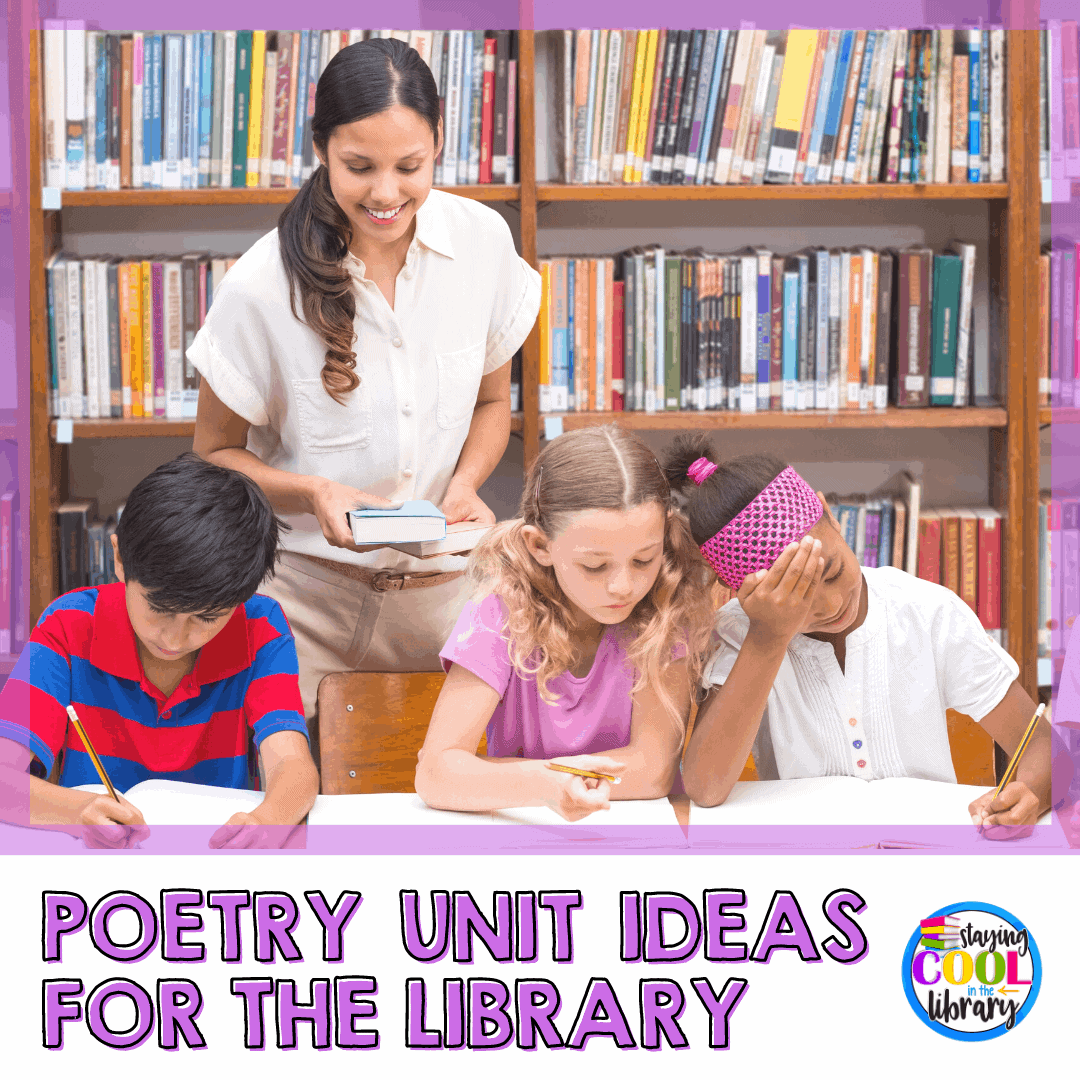
When you tell your students that you are going to write poetry, do you typically have a few that are excited, but the majority let out an audible sigh? Students often have the misconception that poetry is about following a lot of rules and using words that they don’t understand. They’re more open and excited when the focus shifts toward sharing their ideas and feelings with others in a creative format. Many students have a favorite type of poetry that they are drawn to. I have some different poetry unit ideas for elementary students to show you today. Digital Poetry Activities  I especially like to use these Digital Poetry Activities this year because they are perfect to use for a poetry unit with students who are either learning virtually or in-person.  This digital poetry unit will have your students writing and enjoying poetry in no time! In this unit,
Spring is here and I could not be more excited for warm weather, sunshine and birds chirping! Spring is one of my favorite seasons and it is a good excuse to read and teach students about the weather changes that happen with the new season and get them learning outside as much as possible! Here are 10 read alouds to welcome spring to your students: *Links to purchase the books are all affiliate links which means that if you purchase from that link I make a small commission for recommending it to you. Thank you! Goodbye Winter, Hello Spring Grade Level: Preschool- 3rd Grade Summary: In a simple, cheerful conversation with nature, a young boy observes how the season changes from winter to spring in Kenard Pak’s Goodbye Winter, Hello Spring. As days stretch longer, animals creep out from their warm dens, and green begins to grow again, everyone
Who loves to read digital stories with their students and use digital choice boards? If your hand is up, this post is for you. The best part? If you are teaching virtually, keep reading because this post has everything you need for a lesson about the story, “The Day the Crayons Quit” including a link to listen to the story being read online! No paper copy needed! (unless you want it!) I love the story “The Day the Crayons Quit” by Drew Daywalt (affiliate link) because it focuses on teaching students about point of view, which can be a difficult reading trait to teach as well as thinking outside the box which is a good lesson for all students to learn. Students also find it humorous that the crayons write letters to their owner and get upset about being used too much! Story Summary Poor Duncan, the main character,
Who loves to read folktales to their class?! Folktales are great because you can learn about different cultures and traditions. Most folktales teach some type of lesson that can be discussed with students. They make great interactive read-aloud stories for library time as well as in-class read-alouds. Typically in folktales, the main characters are animals or objects instead of people. The exact definition of a folktale is a tale or legend originating and traditional among a people or folk, especially one forming part of the oral tradition of the common people. any belief or story passed on traditionally, especially one considered to be false or based on superstition. I made a list of my 16 favorite folktales of all time for you to check out for spring: *Links to purchase the books are all affiliate links which means that if you purchase from that link I make a small
Do you have a plan for teaching reading strategies to your K-2 learners? I’m talking reading strategies like these: You might be thinking “that is a lot!” How can I teach them ALL of those strategies at such a young age?! The point of teaching K-2 students about reading strategies is to equip them with strategies to help them understand the books they read tomorrow and the day after that. With consistent modeling and guided practice, our students will make these strategies their own. We can absolutely address teaching many of these reading strategies using picture books for this age of students. Is it shocking to you that students can learn advanced reading strategies through a basic picture book? They absolutely can, especially when you find the best of children’s literature! Here are some picture books you can use to teach different reading strategies (affiliate links included): Teaching Main

Staying Cool in the Library is my blog, where I share my passion for fostering a love of reading with children. As a librarian, I believe reading should be fun and accessible to all students. That’s why I share engaging and interactive lesson plans, creative ways to build exciting library collections, and resources to inspire even the most reluctant readers in any classroom or library. Check out my blog posts and products in my store, and join my email list below.

Join the free resource library!
Discover new ideas and strategies
Be the first to know about new and updated products
Access to the free VIP RESOURCE LIBRARY!
Thank you for subscribing!

Categories