Blog

As school librarians, we juggle so much – circulation, shelving, displays, and helping our students find the perfect book to spark their curiosity. It’s a lot to handle and, some days, it can feel like you need an extra set of hands (or five). That’s where library helpers come in! They’re the secret to keeping your library running smoothly while giving students a sense of ownership and responsibility. Whether it’s shelving books or organizing supplies, library helpers can transform your space into a more efficient and welcoming environment. Today, I’m sharing some tips and guidance for how to get library helpers started in your library! Why Library Helpers Are a Game-Changer Having library helpers has completely changed how I manage my library. They don’t just take a load off my plate. They also make the library feel like a shared space where everyone contributes. These student volunteers bring so
If you’ve ever watched your kiddos light up when they connect with a story, you know how powerful books can be. When I introduce different types of genres in the school library, it’s a chance to open the door to new worlds, big ideas, and unforgettable adventures. Picture and chapter books are great for lessons because they’re perfect for breaking down genre elements while keeping children engaged. Whether you’re working with primary students or upper elementary readers, there’s something magical about finding just the right book to bring a genre to life. Today, I’m sharing some favorites that I use when teaching the different types of genres to my students. Breaking Down the Types of Genres Before diving into book recommendations, let’s take a moment to break down what makes up each genre. Understanding the key features of each genre helps our students recognize patterns and appreciate the storytelling
Navigating the writing process can be a common challenge, both for me personally and for my students. From deciding where to start to organizing thoughts, the struggle is real. Whether assisting my students in their writing journeys or diving deep into reading comprehension, helping students work through all the thoughts and ideas can be challenging. That’s where the magic of graphic organizers comes in! Today, I’ll walk you through why graphic organizers are a must-have in your toolbox, what exactly they are, and throw in a few examples that you can use with your students! What Are Graphic Organizers? Have you ever been lost? Maybe you’ve been lost literally in a new place, or maybe you have felt lost in a school subject. Both scenarios create an icky feeling of being overwhelmed and hopeless. When students feel like this they have racing thoughts overpowering each other in their heads,
While sometimes it feels like there aren’t enough hours in the day to tackle everything on our to-do list, being an elementary or middle school librarian is such a rewarding gig! From cataloging new books to organizing reading programs and helping students find their next favorite read, there’s a lot of variety in this job! If you love what you do, but need some systems to help make it more efficient, I’ve got your back! Let’s talk about my school librarian survival kit and how it will be a total game-changer for you. What’s Included in This School Librarian Survival Kit My school librarian survival kit has EVERYTHING you need to rock the new school year. It includes lesson plans, activity ideas, library management tips, and even some fun decorations to brighten up your space. With these resources, you’ll have all the tools to keep your library running smoothly
As we head into November I want to share with you some of my favorite November read aloud picture books for this month. I have included books about Veteran’s Day, Thanksgiving Day and of course turkeys! There are a few nonfiction as well as fiction books. Balloons Over Broadway by Melissa Sweet Tells the story of puppeteer Tony Sarg, the man who first invented the helium balloons that have become the trademark of the annual Macy’s Thanksgiving Day Parade. Bear Says Thanks by Karma Wilson Bear has come up with the perfect way to say thanks–a nice big dinner! When Bear decides to throw a feast, his friends show up one by one with different platters of delicious food to share. There’s just one problem: Bear’s cupboards are bare! What is he to do? Coming Home by Ruth Greg Follows the emotions of a young boy as he waits
One of my favorite Thanksgiving traditions in the classroom is reading Thank You, Sarah! The Woman Who Saved Thanksgiving by Laurie Halse Anderson. This inspiring biography tells the true story of Sarah Hale, a determined woman often called the “Mother of Thanksgiving.” Sarah Hale was a writer and editor who lived in the 1800s. At a time when women’s voices were often overlooked, she launched a relentless campaign to make Thanksgiving a national holiday. Over the years, she wrote thousands of letters to politicians and presidents — and she never gave up. Her persistence finally paid off when President Abraham Lincoln declared Thanksgiving a national holiday in 1863. This book is a powerful way to teach students about perseverance, civic engagement, and the real history behind the holiday. Every year, it sparks meaningful discussions and reminds my third graders that one person can make a difference. One of the
In this post I am sharing five websites to help students find their next read. You can use these websites yourself or you can teach students how to use them. Either way, they are one more tool that you can use to help encourage a culture of reading with your students. What should I read next? How many times have you been asked this question? I’m sure the number is in the thousands. And it is one of the most important questions we are asked. Helping students to find a book that they will love and want to read is one of the main reasons I became a librarian. I’m sure that’s true for many of you as well. And I will admit that sometimes this question can create some anxiety for me. Recommending a book to a child is a huge responsibility. I’m always afraid that if I
I have always loved book character costume day. In the past my school had this day on the Friday before Halloween. We were looking for a way for students to dress in costume while still focusing on education and not Halloween. A few times we also did it to celebrate Read Across America. These are my favorite ideas for character costumes for students! Most of the students really enjoy this day as well. But I quickly noticed that many students did not really understand what they were supposed to do. They did not understand that their costume had to also be the same as a character found in a book. And some parents did not take the time to discuss it with them either. The first year was a learning experience for me. I was constantly being asked by a student if there was a book with a vampire
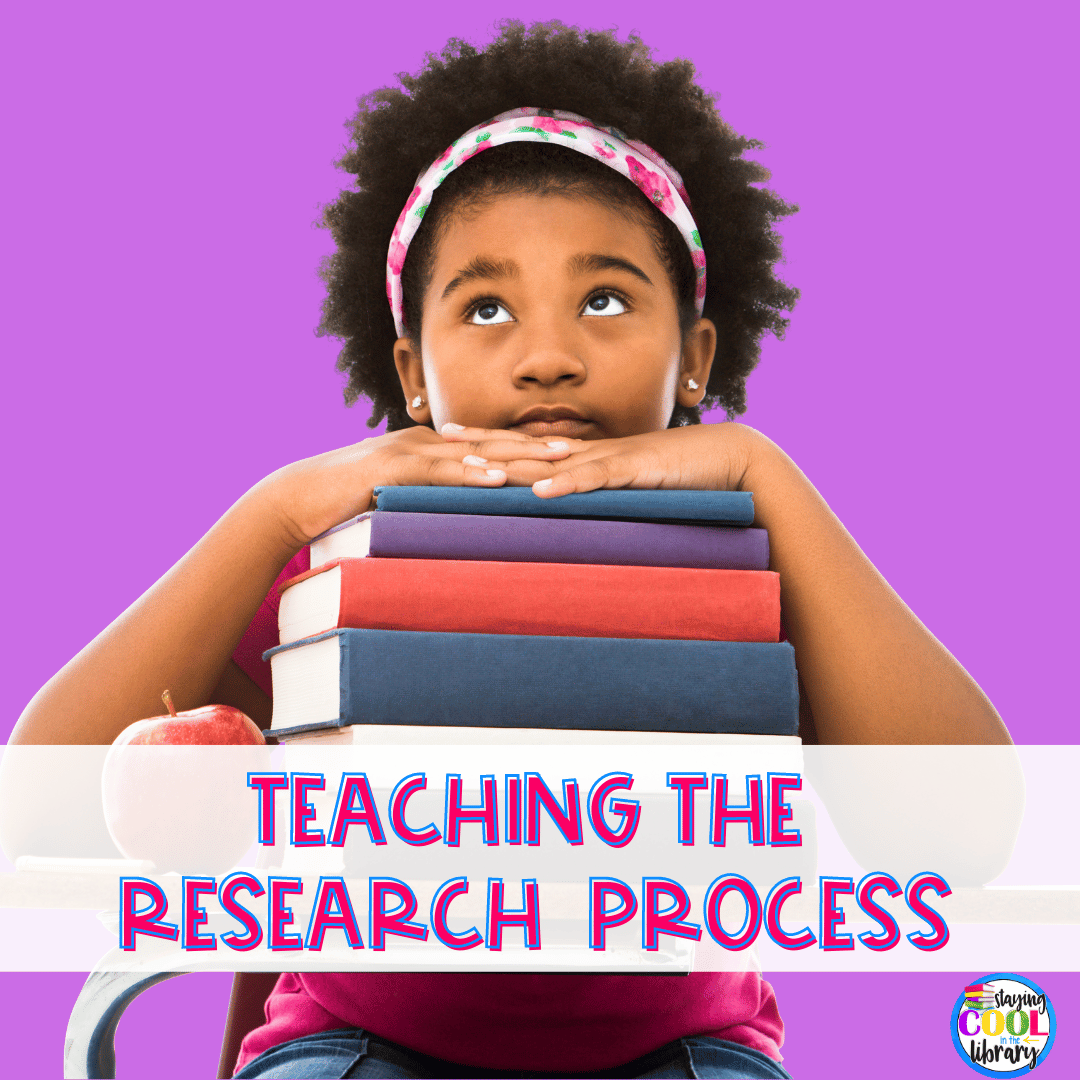
We all know how important it is to teach our students information literacy skills: how to access, analyze, evaluate, and communicate information. There are several different research or information gathering models available for teaching the research process including the Big 6 and the FINDS model from Florida. However, I do not think you need to use a “formal” model as long as your lesson plans cover these important skills. Teaching the Research Process Starts Here Something to keep in mind is that a research project is more about teaching students the process of finding information, not so much the finished product. While language arts teachers might disagree, there are many ways to teach and assess writing skills. But with a research project, our students need to understand how to find relevant and trustworthy sources, read the information, and analyze it for their purpose. If you look at this picture
I use picture books with all of my students grades K-5. There is so much that you can teach with a picture book and they can be used for almost any subject or topic. In this post I want to share with you some of my favorite picture books to use with upper elementary students as well as some of the benefits in using these books in your lessons. Discussion Starters By reading a picture book you can begin a discussion with your students about something that may not be easy to talk about. You can open up the lines of communication and start a dialogue. For example the book Separate Is Never Equal: Sylvia Mendez and Her Family’s Fight for Desegregation by Duncan Tonatiuh can be used to discuss segregation and would be an informative lead-in to learning about Brown vs the Board of Education. One Green Apple

Staying Cool in the Library is my blog, where I share my passion for fostering a love of reading with children. As a librarian, I believe reading should be fun and accessible to all students. That’s why I share engaging and interactive lesson plans, creative ways to build exciting library collections, and resources to inspire even the most reluctant readers in any classroom or library. Check out my blog posts and products in my store, and join my email list below.

Join the free resource library!
Discover new ideas and strategies
Be the first to know about new and updated products
Access to the free VIP RESOURCE LIBRARY!
Thank you for subscribing!

Categories