


One of my favorite Thanksgiving traditions in the classroom is reading Thank You, Sarah! The Woman Who Saved Thanksgiving by Laurie Halse Anderson. This inspiring biography tells the true story of Sarah Hale, a determined woman often called the “Mother of Thanksgiving.”
Sarah Hale was a writer and editor who lived in the 1800s. At a time when women’s voices were often overlooked, she launched a relentless campaign to make Thanksgiving a national holiday. Over the years, she wrote thousands of letters to politicians and presidents — and she never gave up. Her persistence finally paid off when President Abraham Lincoln declared Thanksgiving a national holiday in 1863.
This book is a powerful way to teach students about perseverance, civic engagement, and the real history behind the holiday. Every year, it sparks meaningful discussions and reminds my third graders that one person can make a difference.

One of the reasons I love sharing Thank You, Sarah! with my students is the way Laurie Halse Anderson brings history to life. What could easily be a dry or overlooked topic is transformed into a humorous and engaging story that captures kids’ attention from start to finish. The playful tone, combined with David Small’s lively illustrations, adds so much personality — and more than a few laugh-out-loud moments for students!
Beyond the humor, the book also offers valuable historical context. It touches on important issues of the time, including slavery and the political challenges of the 1800s, making it a meaningful addition to any social studies or Thanksgiving lesson.

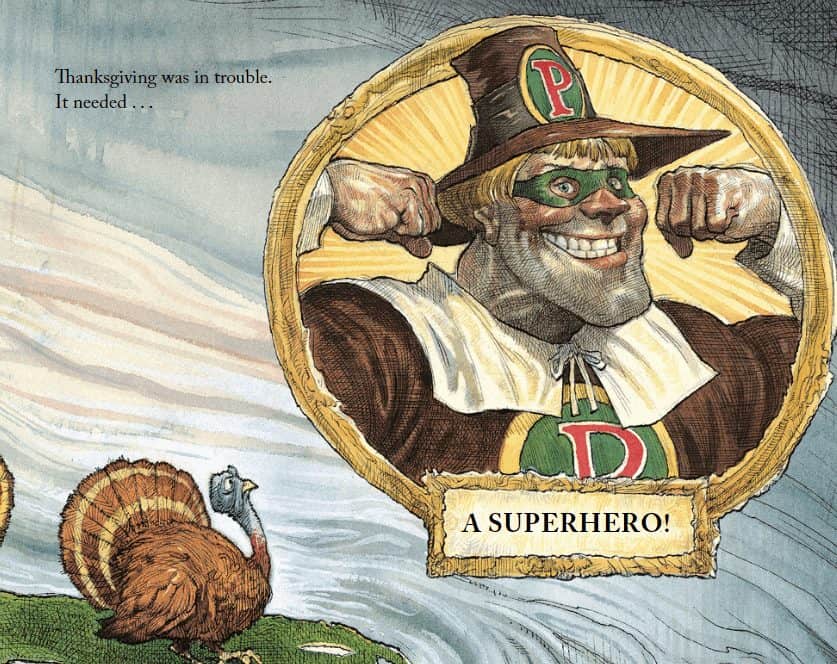

After reading Thank You, Sarah! The Woman Who Saved Thanksgiving aloud, I love extending the learning with follow-up activities that deepen students’ understanding while keeping them engaged. Depending on the class and how much time I have, I choose between two options: a persuasive writing activity or a reading comprehension Scoot game. Both are included in my book companion and are designed specifically with third graders in mind.
The persuasive writing activity ties directly into the theme of the book — using your voice to create change. Since Sarah Hale campaigned for Thanksgiving to become a national holiday, I challenge students to imagine they’ve been asked by the president to help choose a brand-new holiday for America. The prompt reads:
“This is your chance! The president is asking all the children in America to choose a new holiday to celebrate. He has three choices you can pick from. Your job is to convince him to choose the holiday you want.”
Students select from four holiday options and then write three strong reasons to support their choice. A friendly letter-writing template is included to help structure their thoughts. It’s a fun and creative way to practice opinion writing and tie it to social studies content. That said, this activity does take a little more time and might be better suited for a full classroom lesson rather than a short library period.
If I’m working with a group that needs something quicker or more active, I opt for the reading comprehension activity, which can be used as a Scoot game or a literacy center. I love using Scoot because it’s easy to prep, gets students moving, and keeps them engaged from start to finish. The comprehension questions reinforce key story elements, vocabulary, and historical facts from the book. And if you’ve never played Scoot before, don’t worry — clear directions are included in the pack.
Whether you’re in a classroom or library setting, these activities provide flexible, meaningful ways to connect with the story and extend learning in a fun, standards-based format.


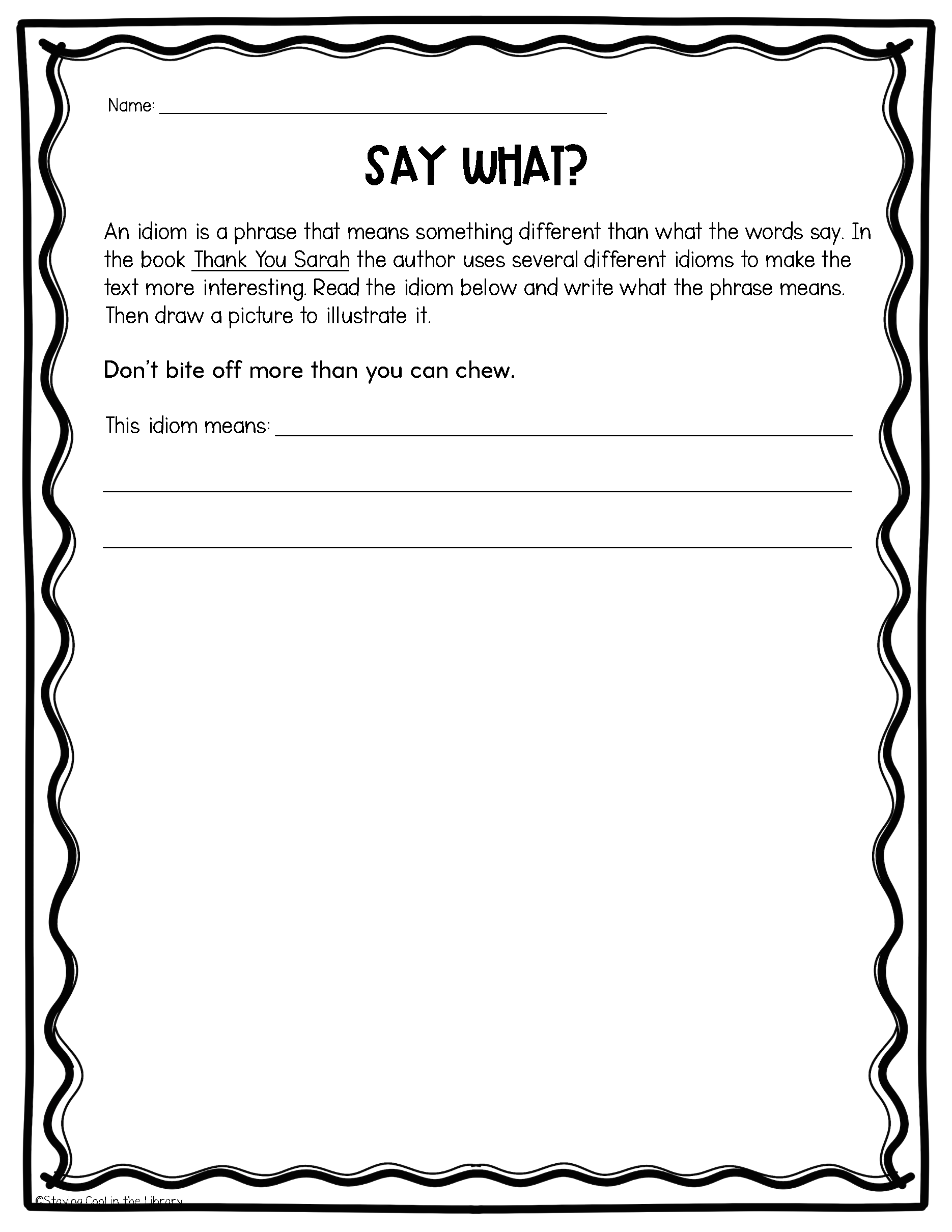

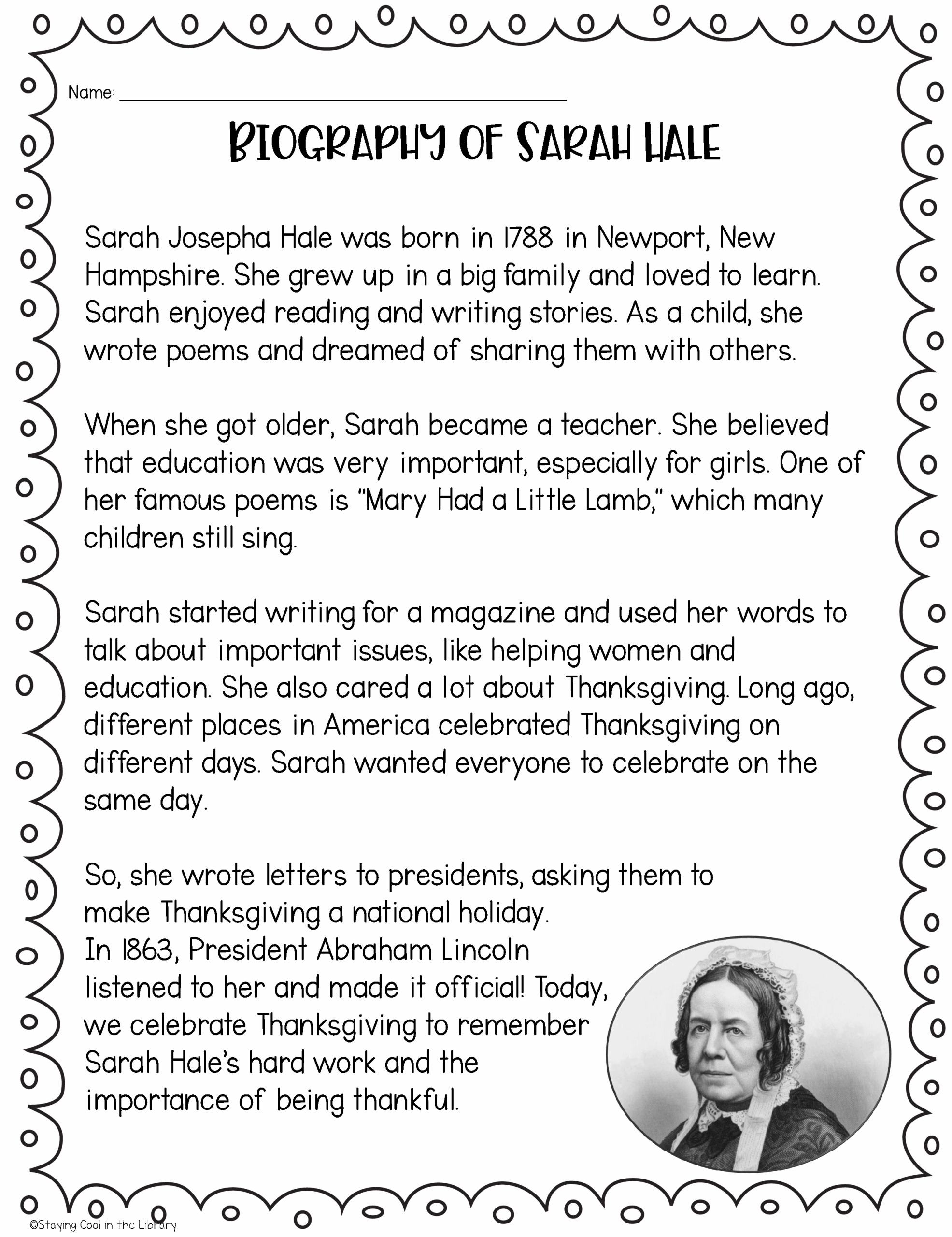

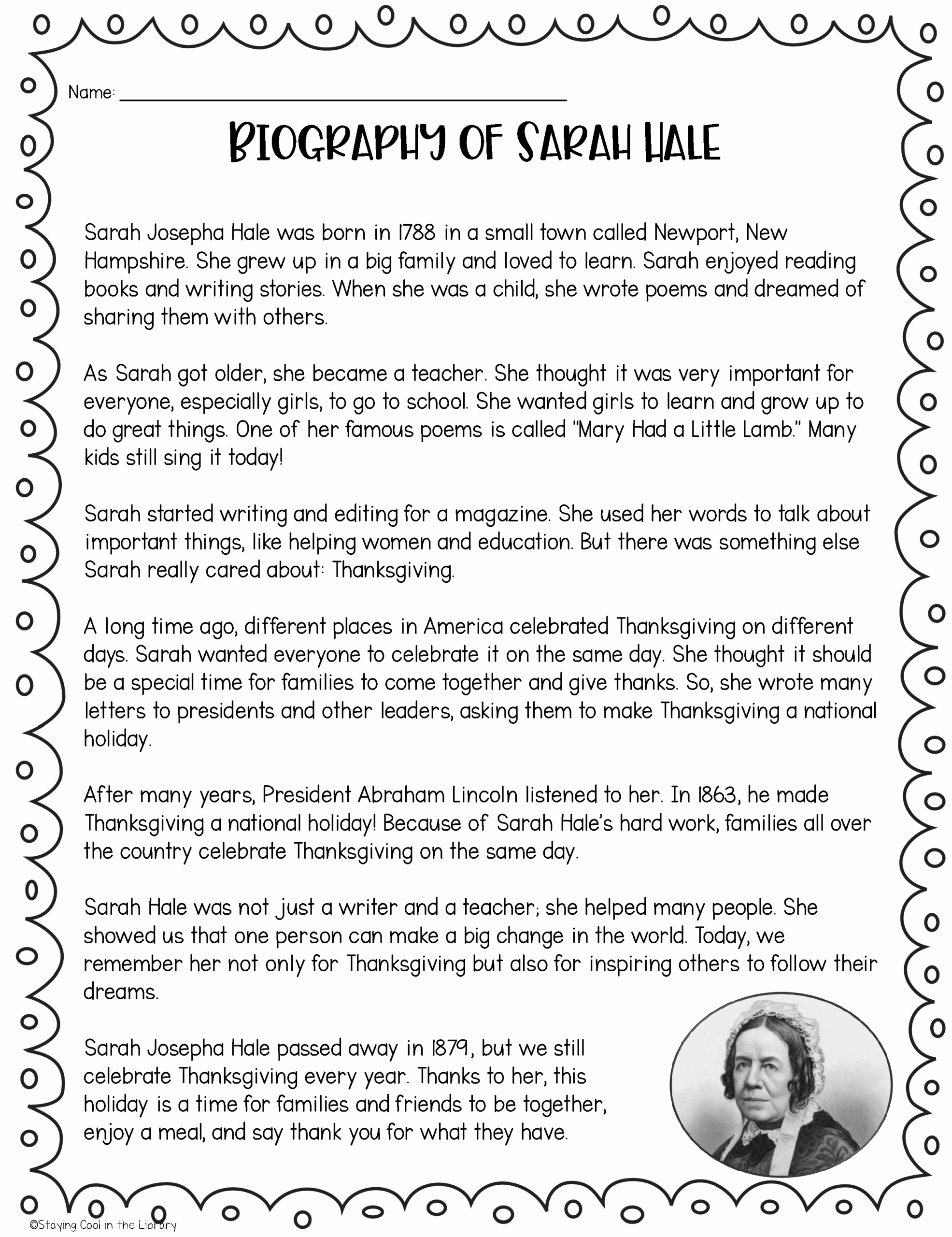
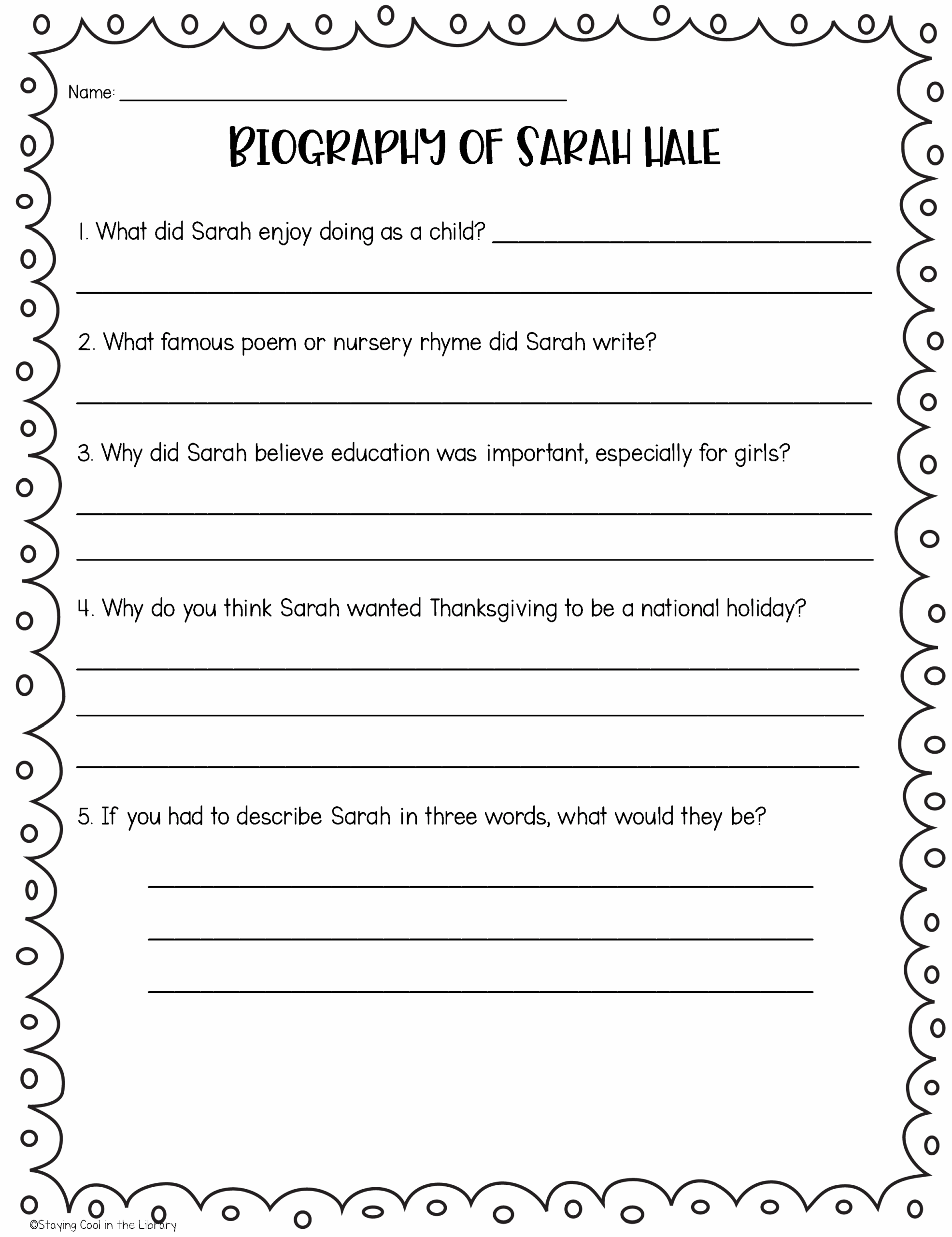
After reading Thank You, Sarah! The Woman Who Saved Thanksgiving aloud, I love extending the learning with follow-up activities that deepen students’ understanding while keeping them engaged. Depending on the class and how much time I have, I choose between three options: differentiated biography reading pages, a persuasive writing activity, or a reading comprehension Scoot game. All of these are included in my book companion resource, and they’re specifically designed with third graders — and varying ability levels — in mind.
The differentiated biography pages are perfect for giving students background knowledge on Sarah Hale in a format they can access confidently. There are two leveled reading passages about Sarah’s life and contributions, each paired with corresponding comprehension questions. This makes it easy to support readers at different levels while still building essential nonfiction reading skills. These are great to use before or after reading the book, especially if you want to reinforce key facts and historical context.
The persuasive writing activity ties directly into the book’s message — using your voice to create change. Since Sarah Hale worked tirelessly to make Thanksgiving a national holiday, I challenge students to imagine that the president has asked them to help choose a brand-new holiday for America. The writing prompt reads:
“This is your chance! The president is asking all the children in America to choose a new holiday to celebrate. He has three choices you can pick from. Your job is to convince him to choose the holiday you want.”
Students select one of four holiday options and write three strong reasons to support their choice. A friendly letter-writing template is also included to guide their response. This activity is a creative and meaningful way to practice opinion writing — and it aligns perfectly with writing standards. Since it takes a little more time, I recommend it for classroom use or settings where you can dive deeper into writing instruction.
If I’m working with a group that needs something quicker or more active, I go with the reading comprehension activity, which I often turn into a Scoot game. It’s a low-prep, high-engagement option that gets students moving while reinforcing key ideas from the book. The questions focus on vocabulary, sequencing, main idea, and other key reading comprehension skills. If you’ve never played Scoot before, I’ve included simple directions in the resource to help you get started.
Whether you’re in a classroom or a library setting, these differentiated, standards-aligned activities offer multiple ways to connect with Thank You, Sarah! and make your Thanksgiving lessons more engaging and impactful.
Want to Try These Activities with Your Students?
If you’re looking for ready-to-use resources that bring Thank You, Sarah! to life in your classroom, be sure to check out my full book companion pack on Teachers Pay Teachers. It includes everything mentioned above — differentiated biography pages, comprehension questions, writing prompts, and a Scoot game — all designed to save you time and keep your students engaged
You can also subscribe to my newsletter for more seasonal book activities, classroom ideas, and exclusive freebies delivered straight to your inbox!

