Archives

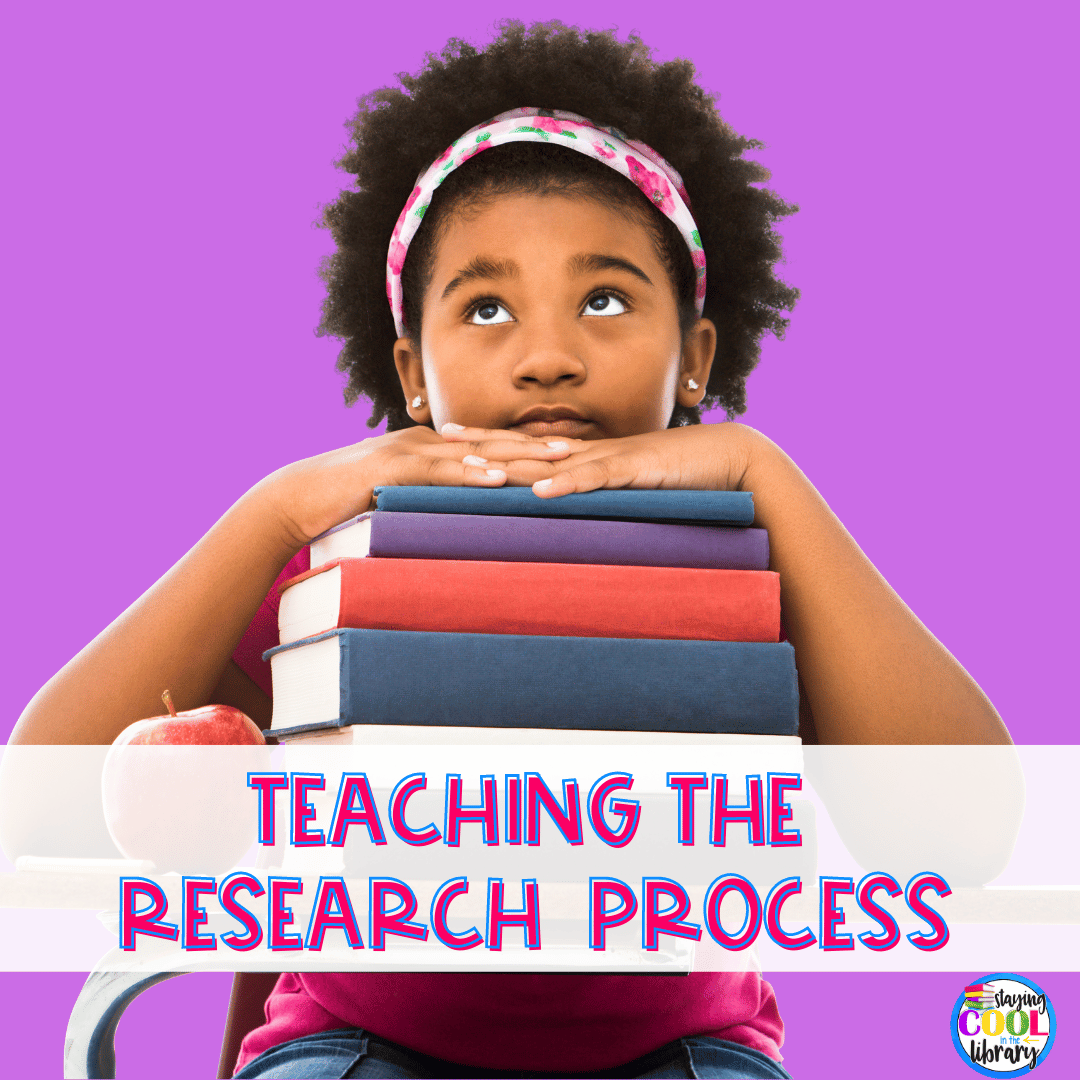
We all know how important it is to teach our students information literacy skills: how to access, analyze, evaluate, and communicate information. There are several different research or information gathering models available for teaching the research process including the Big 6 and the FINDS model from Florida. However, I do not think you need to use a “formal” model as long as your lesson plans cover these important skills. Teaching the Research Process Starts Here Something to keep in mind is that a research project is more about teaching students the process of finding information, not so much the finished product. While language arts teachers might disagree, there are many ways to teach and assess writing skills. But with a research project, our students need to understand how to find relevant and trustworthy sources, read the information, and analyze it for their purpose. If you look at this picture
As librarians, we might not give grades for our class, but we do teach valuable skills that help our students with their core subjects. After a class, it is always nice to have feedback to know whether our students understood the lesson, what questions they have, or how they can apply what they learned. Using exit tickets in the school library is a great way to do this and it has been a game-changer for me. Keep reading to find out how exit tickets can benefit you as a school librarian. Purposes of Exit Tickets in the School Library One of the easiest ways I have found to do informal assessments and checks for understanding is through exit tickets. These little slips of paper focus on just one skill or concept at a time. Quite often, it is one question that relates to our lesson. This makes them quick
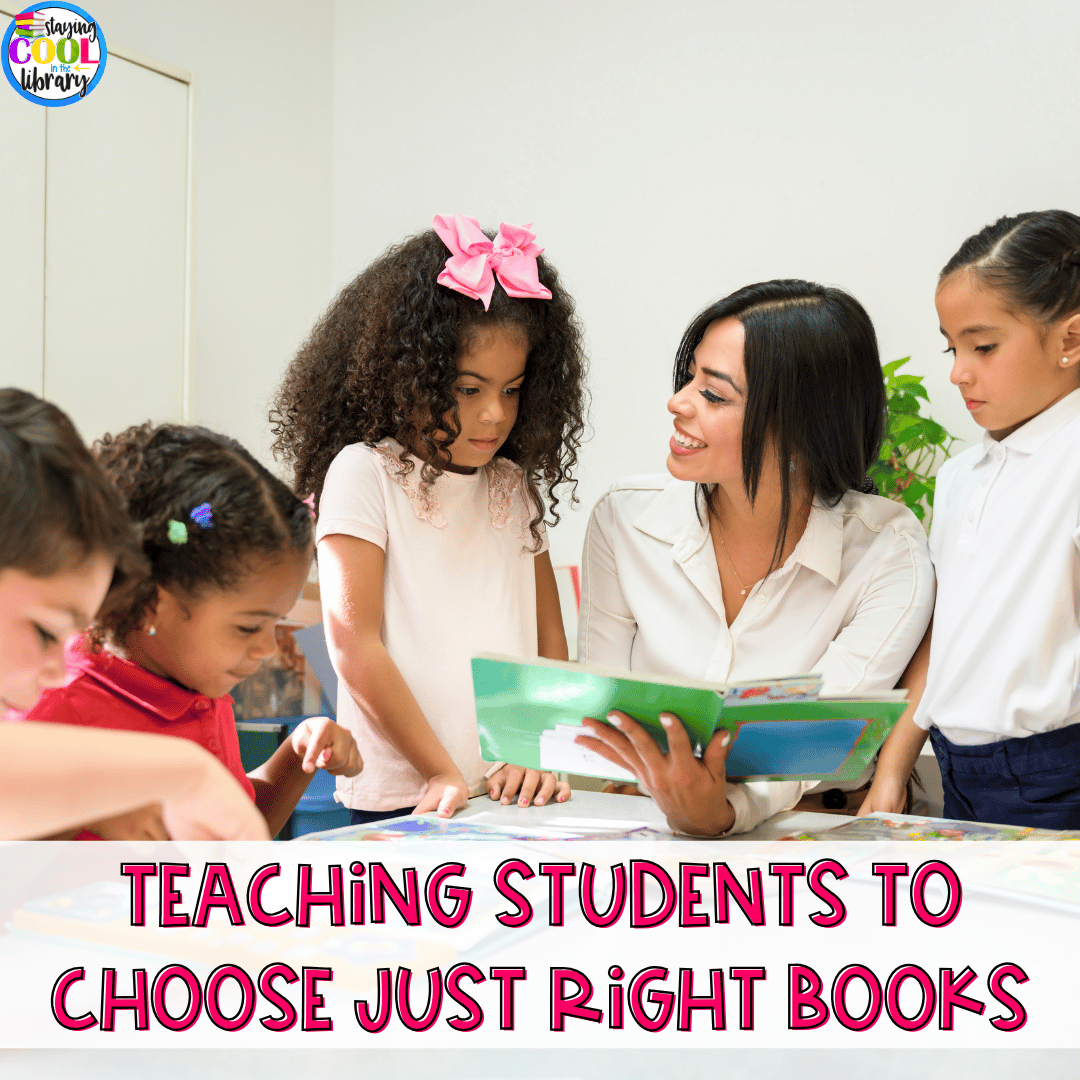
Finding just right books is something that a lot of our students struggle with, especially early in the year. Some grab a book that looks fun but is way too hard. Others pick something that’s super easy just to get it over with. Then, some feel completely overwhelmed and don’t even know where to begin. That’s why I make it a point to teach this skill in the library, not just leave it up to the classroom setting. Even though I revisit the concept of just right books throughout the year, I like to start the conversation with second graders. That’s when I introduce the Five Finger Rule and dive deeper into helping them understand what it really means to choose a book that fits them. One that’s not too hard or easy but just right. I’ve built this lesson out over the years to include read-alouds, modeling, interactive
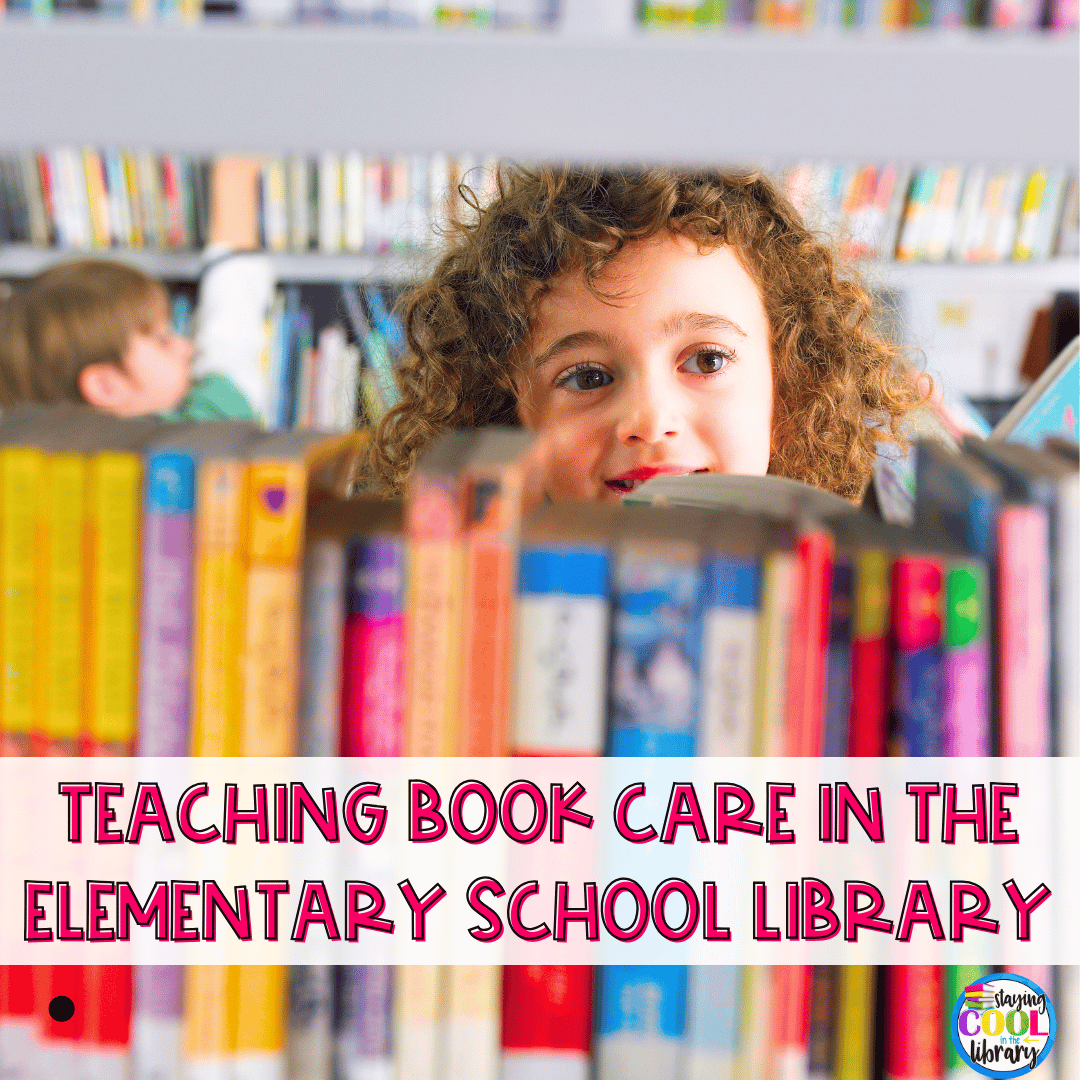
One of the most important lessons you can teach in the elementary school library is book care. It’s not just about keeping books neat. It’s about helping our kiddos understand respect, responsibility, and the shared joy of reading. When our students know how to care for books, they’re learning life skills that will serve them well everywhere. When I first became a librarian, I assumed older students already knew how to handle books responsibly. I quickly realized that many kids didn’t have books at home or hadn’t been to a public library before. For them, the elementary school library was the first place they encountered books they were trusted to borrow. That’s why book care became a central lesson, not just for kindergarten and first grade, but for every grade level. Why Book Care Matters in the Elementary School Library Teaching book care in the elementary school library is

Staying Cool in the Library is my blog, where I share my passion for fostering a love of reading with children. As a librarian, I believe reading should be fun and accessible to all students. That’s why I share engaging and interactive lesson plans, creative ways to build exciting library collections, and resources to inspire even the most reluctant readers in any classroom or library. Check out my blog posts and products in my store, and join my email list below.

[convertkit form=966981]

Categories