


We chat a lot about how we want our students to find the best book for them to ignite a passion for reading. We also gather ideas to add to our toolbox of engaging hands-on activities that help our students become excited to visit us in the library. Think about that toolbox for a minute. Are the activities accessible to all? Could your special education students learn alongside their peers or do a similar activity to access the skill or story being worked with? We want our school libraries to be an inclusive space for all students to explore and work on their reading skills. Today, we will explore some resources that can be brought into your library to help!
Making School Libraries Inclusive for Special Education Students is Important
Let’s take a minute to think about why our school libraries should be a welcoming space for everyone, including our special education students. Our libraries become more than just rooms with books on shelves. They create spaces where every student, no matter their learning style, feels right at home. Trust me, making our school libraries inclusive for our special education kiddos is a game-changer for all involved!
For these students, the library is a place to explore. We’re talking about activities that have resources that suit their style and an atmosphere that shouts, “You belong here!” During library time, it is about building a space where all of our students can flex their reading skills and those crucial life skills. We’re talking social interactions, communication, and a genuine love for learning. Incorporating these resources shows them they matter.
As school librarians, we’re the architects of this time in the library. We’re building a community where every student can truly spread their wings. We are champions of inclusivity in our school libraries, turning them into spaces where everyone can unfold their full potential.
Preparing Special Education Students for Library Time
While preparing for their library visit activities, I always reach out to the special education teachers. I want to make sure we are on the same page about what to expect when they arrive and that I have everything prepared to help the students. A major key to a successful library time is communication and visuals for everything you do.
I make sure to have a visual calendar that shows the activities we will be doing in the order they are happening. Then, I usually break it down into the first two activities to show them that first, we are going to do this activity, and then we will do this one. This eases their minds, and they feel in control because they know what to expect!
If it’s our special education students’ first visit to the school library, we work through a social story. Social stories are so impactful because they pair text and real-life visuals with the expectations of the space or situation. A social story in the library setting may include how to enter the library, where to go to meet with the librarian as a class, and how to move around the library. It puts the students into the story to help them understand what is expected of them!
Books for Special Education Students
One type of resource I wanted to make sure we had in my school library was different formats of books. When I’m thinking of formats, I’m thinking of anything from board books to large picture books to books with big fonts and visuals. My collection grew over time from the funds I was given or grants that I applied for. I also worked to make sure the titles of books I bought were appropriate and similar versions of popular books at the time when possible.
How to Use Board Books with Special Education Students
Board books are fantastic tools for engaging our special education students in the world of reading. Their sturdy pages and tactile features make them accessible to various learning styles. Lead teachers, teaching aides, or paraprofessionals can support students by incorporating tactile interactions and guiding them to explore textures or raised patterns on each page.
Encourage any paraprofessionals to use simple, clear language and to actively involve students in turning pages, pointing to pictures, or feeling different textures. For non-verbal students, you can utilize communication tools, ensuring that everyone can participate in the reading exploration. If using communication tools, you may need to communicate some of the key vocabulary you want them to interact with so those symbols can be added to their devices beforehand.
How to Use Big Books with Special Education Students
Big books create a larger-than-life reading experience that captivates all students, including special education students. The oversized format is particularly beneficial for group settings, allowing everyone to gather around for a shared reading adventure. I look for big books that have bold fonts and vivid images to aid visual comprehension. While we read together, I, or the teaching aide, encourage them to point to pictures, repeat key phrases, or participate in interactive elements of the story.
For non-verbal students, incorporate their visual supports like PECS (Picture Exchange Communication System) to enhance communication. Create an inclusive atmosphere by involving aids in the reading process. The experience becomes so much more meaningful when you can divide and conquer the group. It’s a more individualized experience and allows our special education students to be more hands-on.
How to Use Audiobooks with Special Education Students
Sometimes what our students need is more one-on-one reading time rather than a shared reading experience. I have a space in my library where I have created an audiobook station. In this area, I have headphones, audiobooks easily accessible, and devices if audiobooks are online. Everything my students may need is at their fingertips!
When incorporating audiobooks, I make sure to preview them ahead of time. I choose titles with clear narration, distinct voices, and background sounds that enhance the storytelling experience. I also try to look for audiobooks with both auditory and visual cues to support comprehension.
Audiobooks have many benefits, but one of my top favorite reasons to use them is that they allow my students to access content at their own pace. I provide support staff with discussion questions or statements related to the audiobook to help guide follow-up activities and reinforce comprehension. For non-verbal students, paraprofessionals can utilize visual supports to enhance communication.
Below is an example of each type of book I use with my special education students!
1. How to Spot a Best Friend by Bea Birdsong and Lucy Fleming
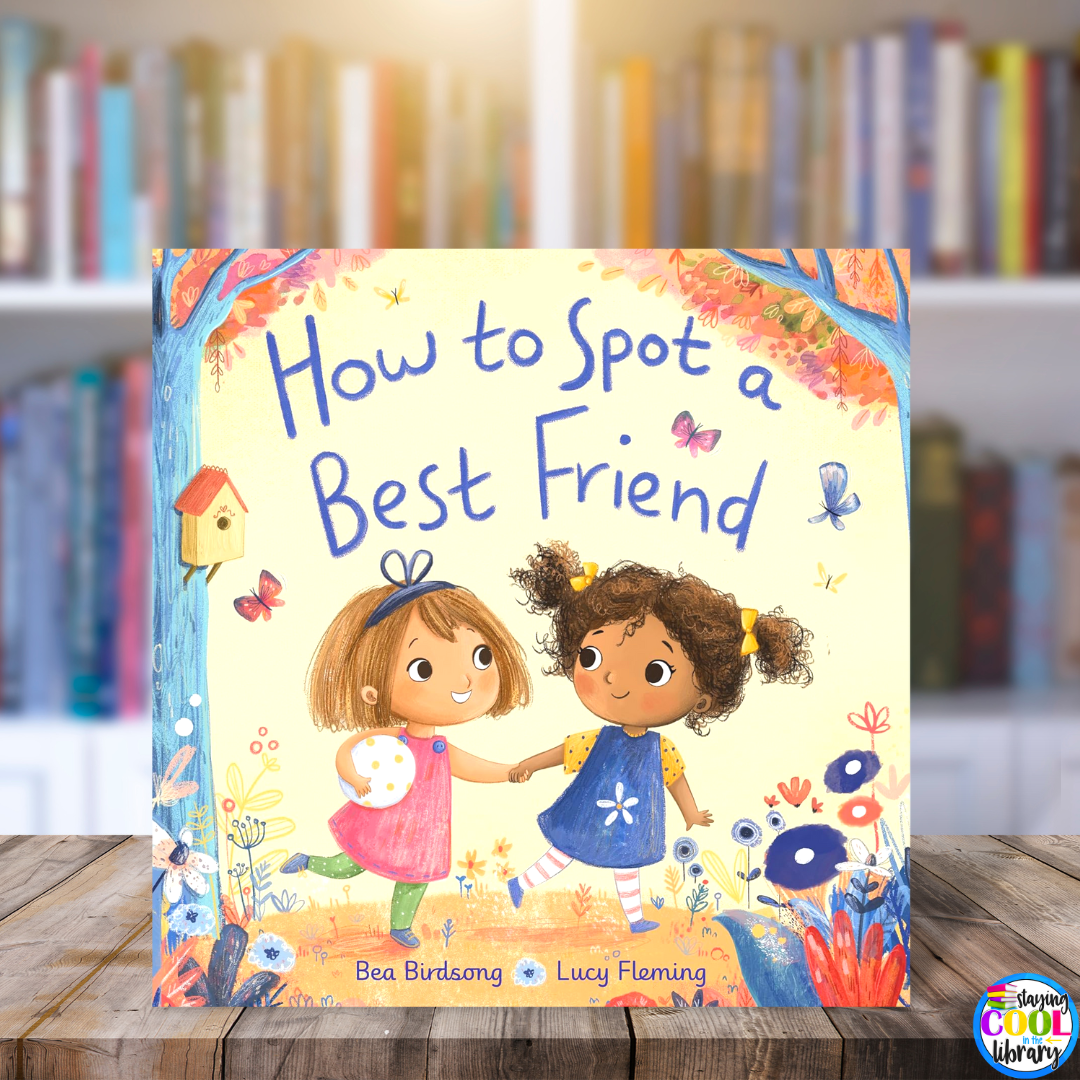
My readers enjoy this heartwarming adventure in “How to Spot a Best Friend” by Bea Birdsong and Lucy Fleming! This picture book follows the lovable protagonist, Olive, on her quest to find the perfect best friend.
The pages have vibrant illustrations that capture what friendship means in the most delightful way. As Olive navigates the playground, our readers meet diverse characters and celebrate the uniqueness each friend brings to the table. The story teaches our readers the valuable lesson that true friendship knows no bounds and often surprises us.
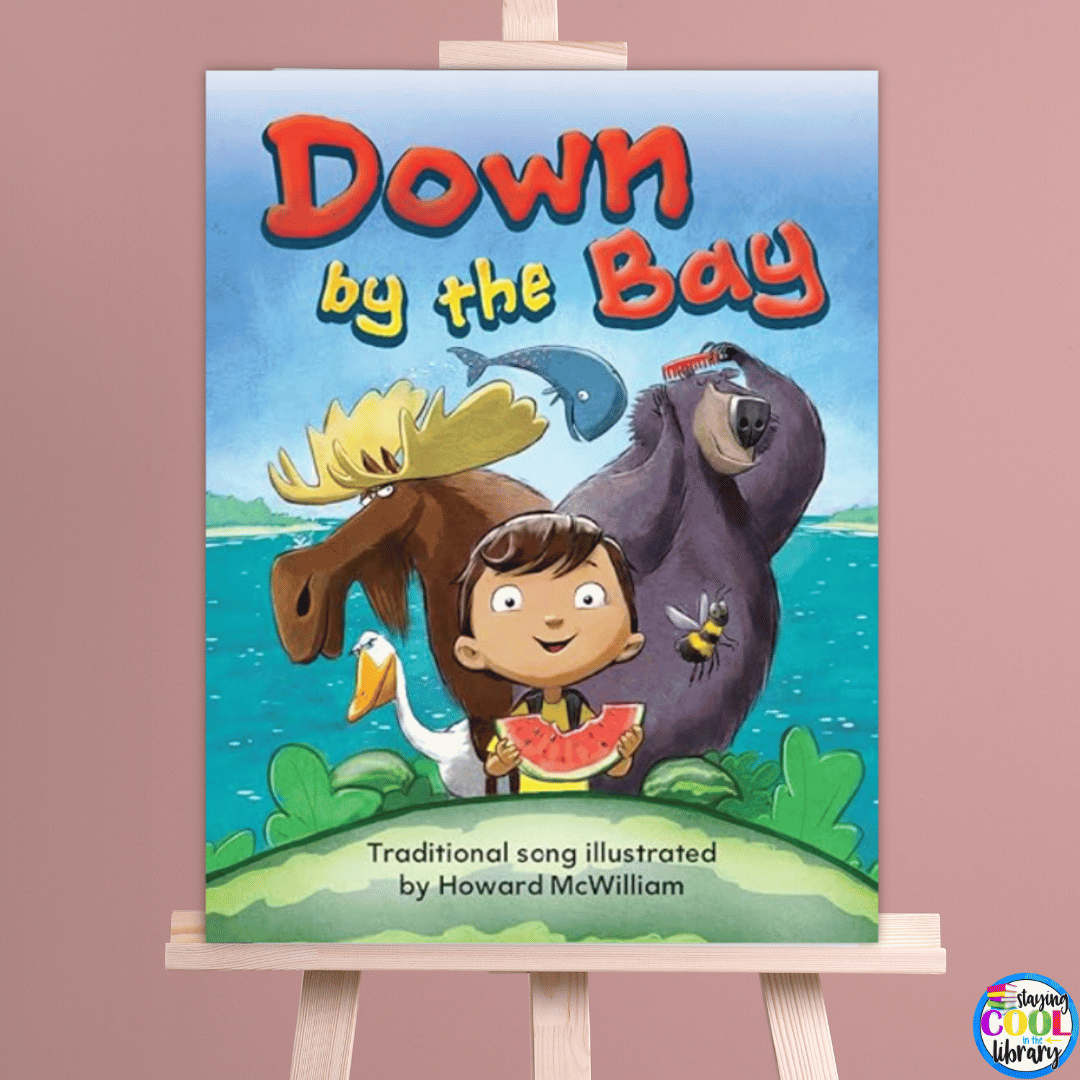
2. Down by the Bay Big Book
I selected this big book with our special education students in mind. This oversized gem transforms storytelling into a captivating group experience. My special education students love the large, vibrant illustrations and repetitive verses.
As they travel through this rhythmic adventure, they will enjoy the playful narrative but also enhance their language skills through repetition and participation. The big, bold format ensures that every student can immerse themselves in the story, which creates a sense of inclusion and joy during our library time. Big books are a gateway to shared moments of learning and pure delight of exploration.
3. There Was an Old Lady Who Swallowed a Shell by Lucille Colandro
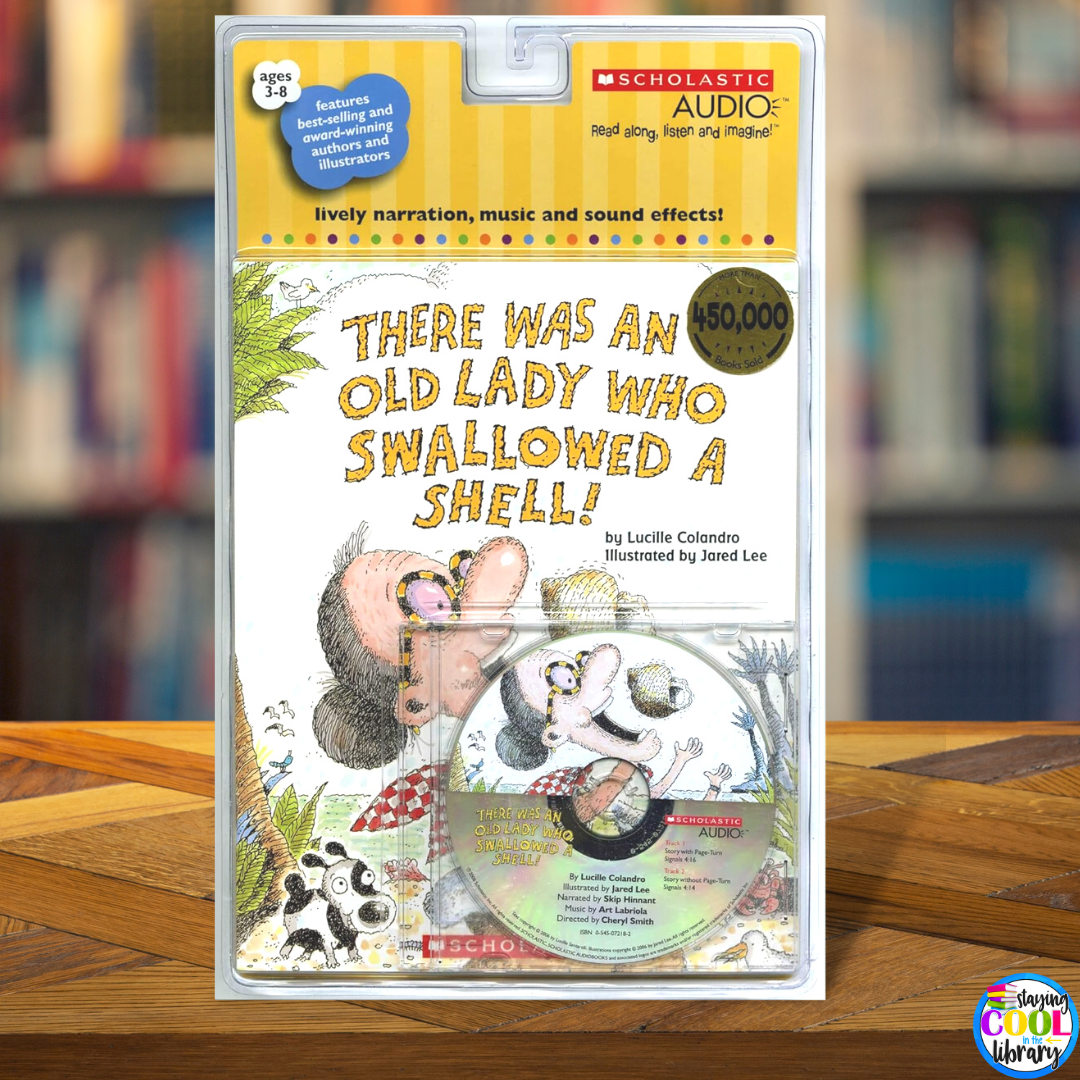
My students and I absolutely love the whimsical world of this whole series by Lucille Colandro. And. . . since this book comes in an audiobook format I can add it to our audiobook station in the library. Here special education students can listen to a book that they might otherwise not be able to read.
In this installment, we join the old lady on her seaside escapade as she gobbles up everything from a shell to a crab, creating a hilarious chain of events.
Colandro’s rhythmic storytelling and illustrations make this book a captivating adventure for my special education students. The beach-themed twist on the traditional narrative adds a fresh touch. As the old lady’s belly expands with each gulp, so does the anticipation for what she’ll swallow next.
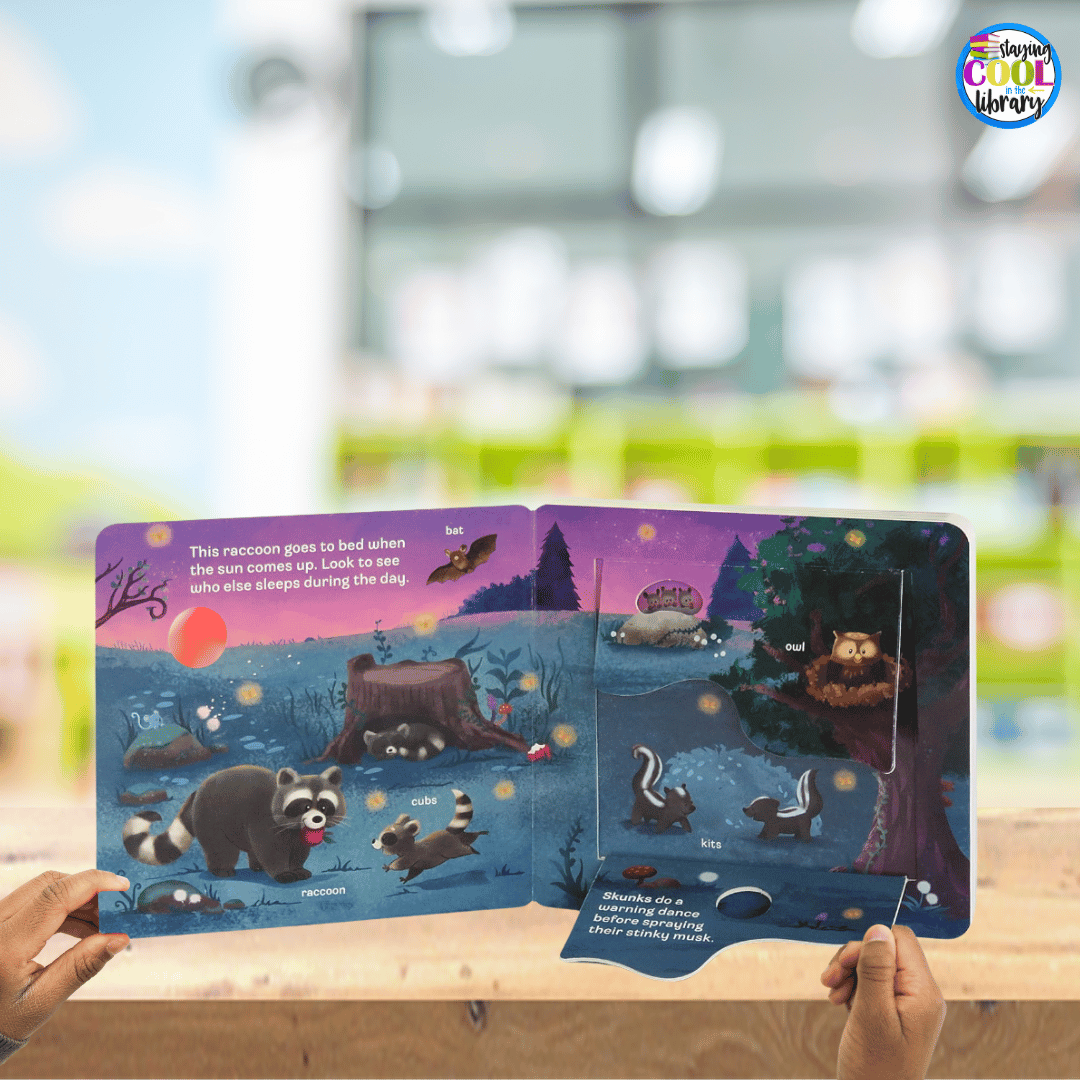
4. Who: Peek-a-Flap Board Book by Jaye Garnett
I love incorporating books with flaps when possible with my special education students because of the inclusive adventure they create for them. This particular interactive board book invites our students to explore through tactile flaps and discover the surprises behind each one.
With its engaging format, this book provides a multisensory reading experience, making it accessible and enjoyable for all learners. As we lift the flaps together, we unravel the answers to “Who?” We also foster language development, fine motor skills, and the sheer joy of interactive storytelling. It’s a delightful addition to our collection, ensuring that every student can join in the excitement of reading.
Activities for Special Education Students During Library Time
We want our special education students to hear stories and actively strengthen their reading skills. Below are some adaptable ideas that can be done with your chosen picture books. They are straightforward and have our students working with information from the story in a way they can access.
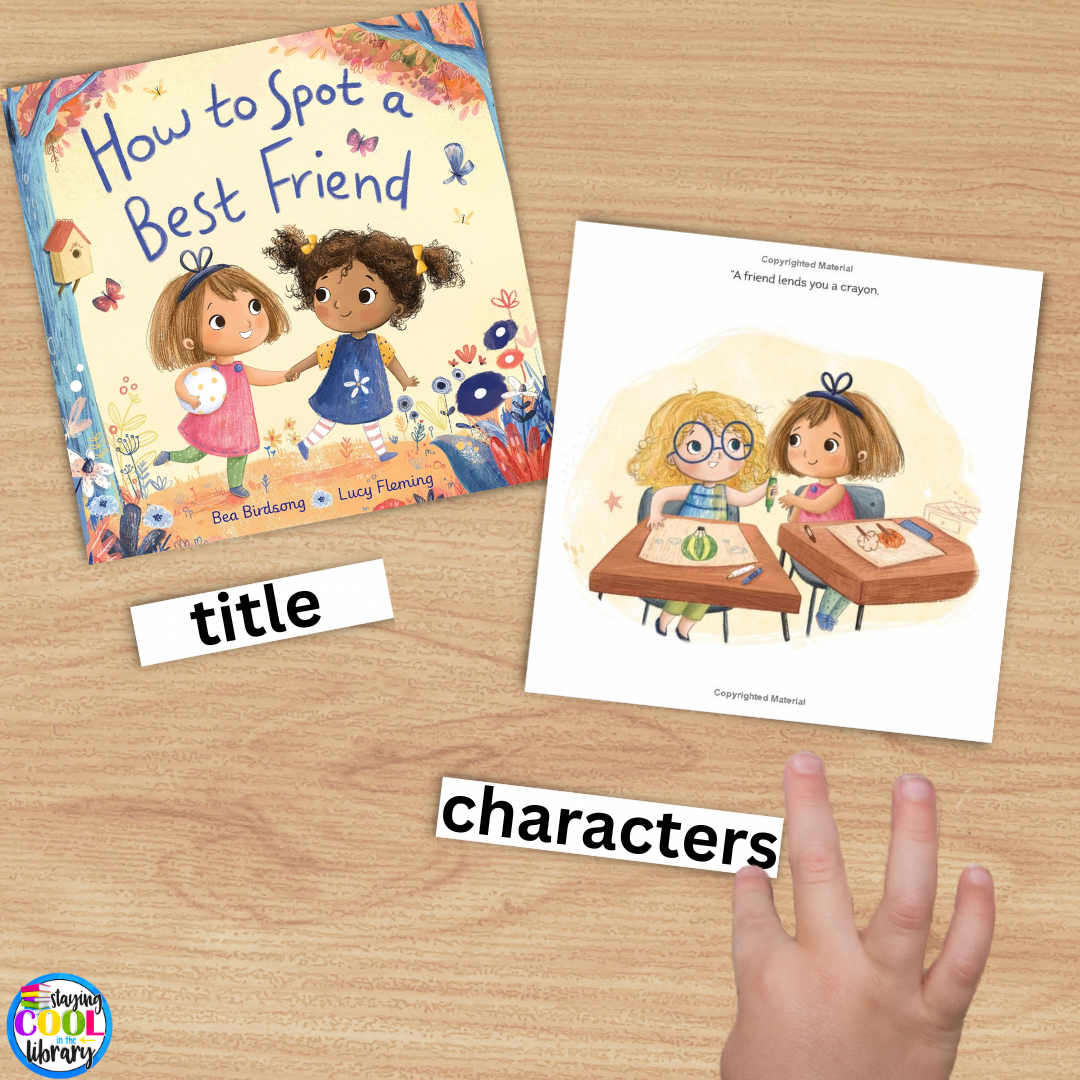
Identifying Elements of Fiction
This activity is an approachable way for my special education students to accent the elements of the story we read. I have my students practicing how to identify the book’s title, where the book took place, who the main characters were, and what happened.
I have pre-made images or copies of the book cover, the main setting, the characters, and a sentence describing the main idea of the book. These images are paired with text so that they are exposed to both!
I give my students a mat or pieces of paper I have laminated ahead of time that says the elements (title, setting, characters, what happened). Then, my students work to match the image to the correct element.
Comprehension Practice
Our special education students all have varying abilities that make them unique learners! When it comes to comprehension, I have a couple of different versions on hand. One comprehension activity asks a few questions about the book. Instead of writing out the answers, my students have images to choose from for the correct answer. Sometimes, I use dabbers or pencils, while other times they point to the correct answer and I mark it. The other version of the activity has the same questions but offers space for them to write their answers.
Vocabulary
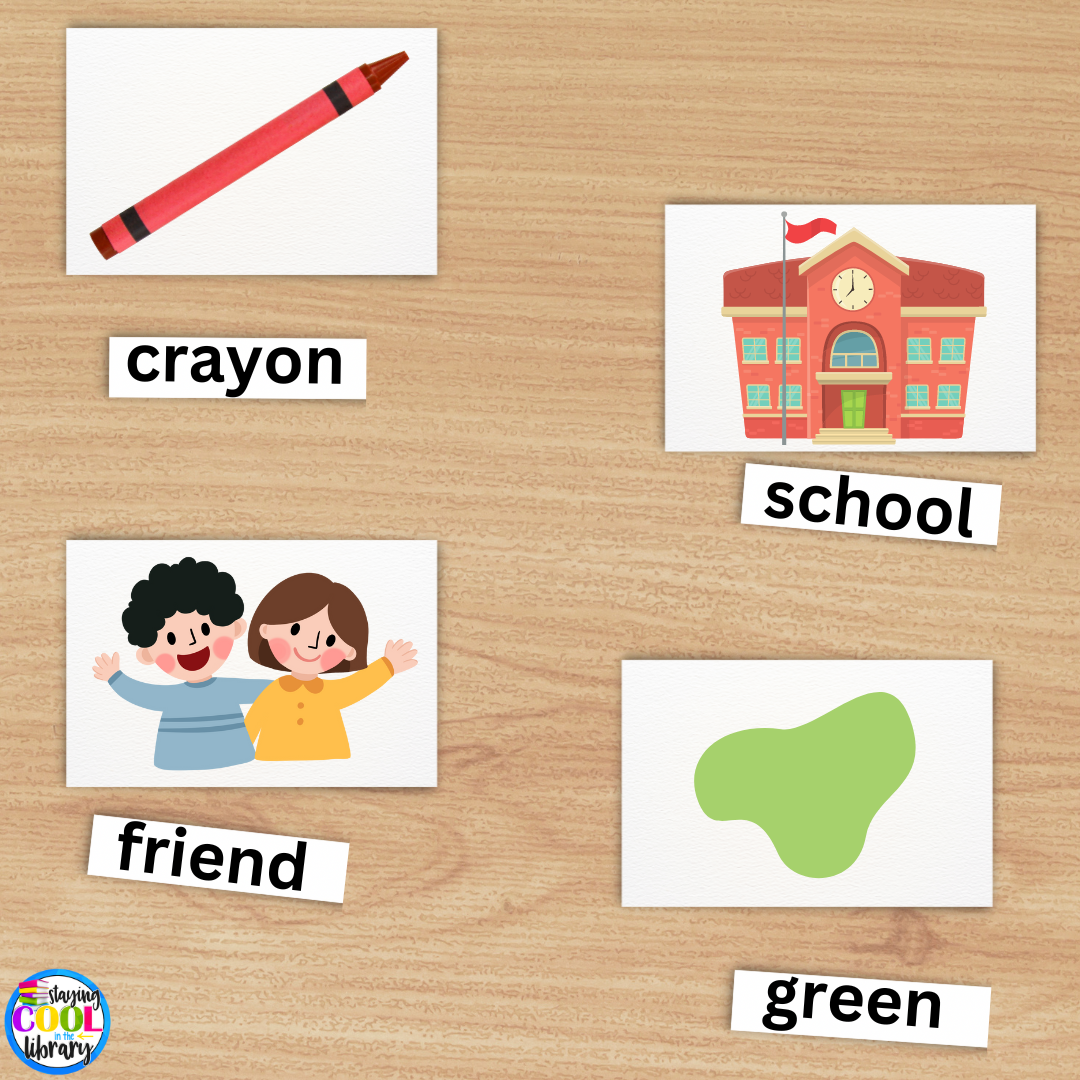
While previewing my chosen picture book, I look for vocabulary words that may be new or important to the story. I type those out or write them on index cards. Then, I find images that go along with the vocabulary word. My students are then given the task of matching the word with the vocabulary word.
Another activity would be using the images again, but this time having different statements to choose from. Students would then have to choose which statement best describes that vocabulary word. This is an activity you can easily facilitate aloud as a group effort, or break off into small pairings with support staff to complete.
Summarizing
Two important reading skills to practice are summarizing the important events that take place within the story in order. Some of our students may not be able to summarize out loud. To help our nonverbal students, or any student who may need this type of support, I make up quick templates that say “First, Second, Third” or “First, Then, Next, Finally”. I will then take the picture cards I made based on the picture book I chose, and we will go through each one together. We read the sentence on the picture card, and then we look at the picture before deciding. You can decide on the level of prompting you’ll need to include based on your learners. Having these images and brief descriptions of events helps them to identify what happened, but feel free to jump in if they need a little extra help!
Support Special Education Students During Library Time
While we build an inclusive space within our school libraries, we create a community for every student. No matter their learning styles, abilities, or unique needs, they can access the world of reading! By communicating, incorporating visuals, and utilizing various resources, we transform our libraries into hubs of learning and exploration. I hope you were able to discover some ideas to use in your own school library. We’re natural nurturers in this field, for reading, and for helping all feel a sense of belonging.
Save for Later
Remember to save this post to your favorite school library Pinterest board when you need resources to support your special education students.


One Response
I love your ideas. We do not have a lot of appropriate books in our library for these children, but thank you for pointing me in the right direction for purchasing more books for them in mind.