Archives

Teaching students about character traits in reading is important but can be difficult to do. Character traits are such an ABSTRACT idea that some children have a hard time understanding what character traits are. Students typically have to use inferencing skills to “read between the lines” of what information the author is giving you about the characters in the story, such as what the character is saying and doing.  How to Teach About Character Traits Start by defining exactly WHAT character traits are. Then together, make an anchor chart about character traits. Have students help you name certain traits that they believe characters in stories might have. Make sure to get them thinking about character traits on the OUTSIDE and on the INSIDE! I like to do another lesson about positive character traits vs. negative character traits. (Some traits can even be neutral).  Finally, my biggest piece of advice
Are you constantly looking for picture books to teach about the main idea of a story? Some people confuse the theme with the main idea. The theme or central idea of a book is the lesson, moral or message the reader takes away after reading. The main idea is what the book is about and can usually be stated as a short summary. It’s important for students to start understanding the main idea (and supporting details) of a story after reading it. This means that they should be able to retell the story to show their comprehension of it, stating the main idea and at least three details that can support the main idea of the story. Some Tips for Teaching the Main Idea A read aloud can be one of the most overlooked strategies that can be used to teach main idea and supporting details. When performing a
Are you constantly looking for different fiction and nonfiction books for teaching cause and effect to your elementary students? Teaching about story elements such as cause and effect, main idea, character traits, problem and solution and comparing/ contrasting are very important. I’ve compiled a list of 8 awesome fiction and nonfiction picture books for teaching cause and effect to make your life simpler. TEACHING CAUSE & EFFECT Teaching children about cause and effect develops critical thinking skills important for all ages of children — from the 3-year-old deciding not to run across the street to the 11-year-old deciding how to handle peer pressure. Picture books are an especially great way to teach about this concept because the illustrations support the meaning of the text and show cause and effect in action.  Start with a picture walk to open a discussion around the key cause and effect moments. Reinforce to
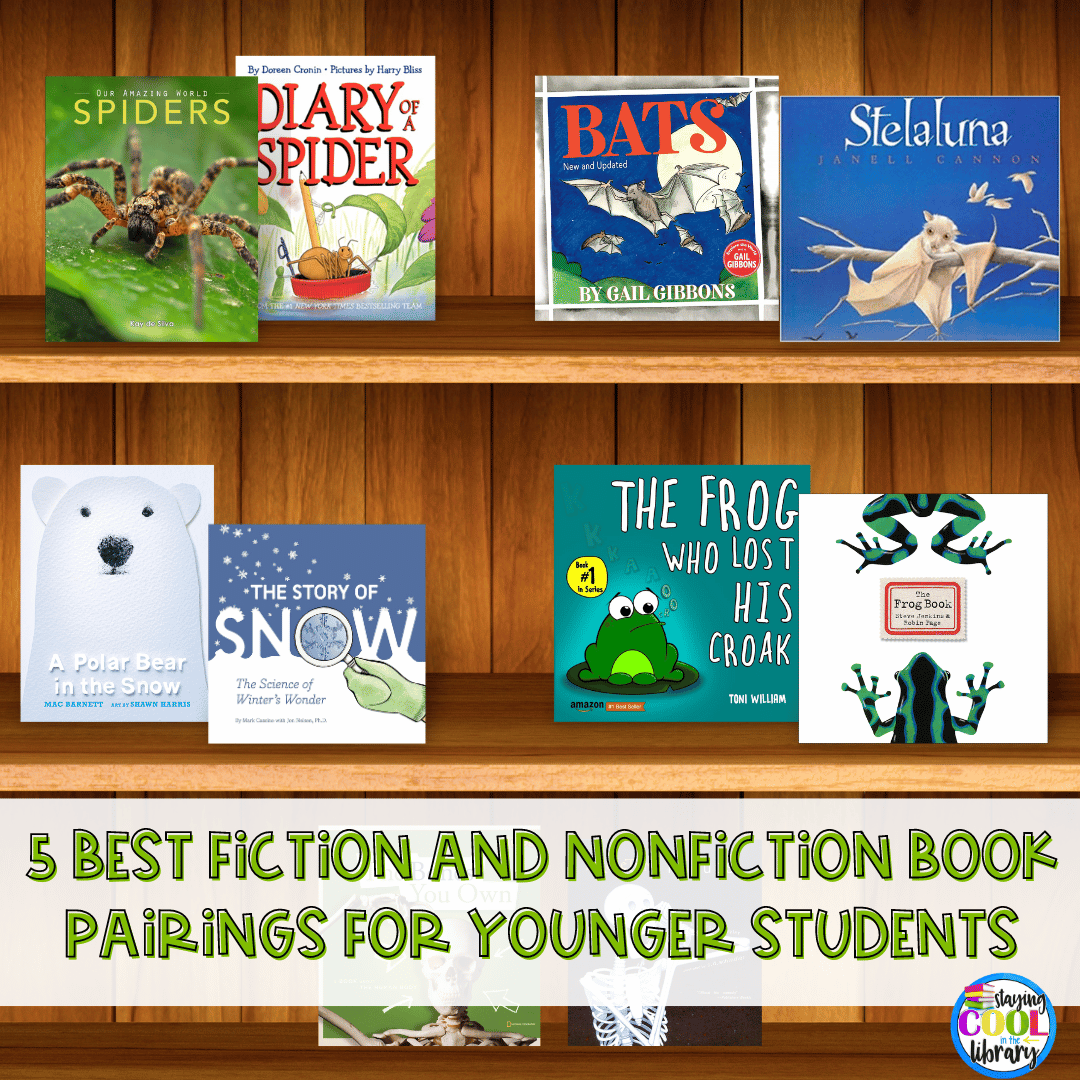
Exploring the world of fiction and nonfiction through book pairings is truly a highlight when working with my students. It’s a strategy that can be used with any age to unravel the characteristics of each writing style. More than just an academic exercise, book pairings inspire students to dive into both realms of fiction and nonfiction. In the world of younger students, these pairings play a pivotal role in laying the foundation for their literary journey. Choosing shorter yet captivating books for grades K-2 ensures that there’s ample time for thorough exploration. The key is in the ensuing discussions where our students start to discern the differences between fiction and nonfiction. It’s a delightful process that fosters a love for reading and a keen awareness of the diverse literary landscapes that await exploration. Importance of Fiction and Nonfiction Book Pairings for Younger Students It’s safe to say for all
How do you feel about reading wordless picture books to your students? Do you know how powerful wordless picture books actually are? If you want to truly measure your student’s comprehension skills or imagination, try reading wordless picture books with them and see if they can understand what is happening in the story based on the pictures alone. In addition, the low pressure nature of a picture book allows children of all abilities to join in and feel successful. Wordless picture books are great resources to encourage joint interest, vocabulary, sequenced language, making inferences and engaging in discussion. Here are 6 wonderful wordless picture books to read with your students, as well as some lesson ideas to incorporate with them. Unspoken: A Story from the Underground Railroad by Henry Cole  Summary: When a farm girl discovers a runaway slave hiding in the barn, she is at once startled and
Spring is here and I could not be more excited for warm weather, sunshine and birds chirping! Spring is one of my favorite seasons and it is a good excuse to read and teach students about the weather changes that happen with the new season and get them learning outside as much as possible! Here are 10 read alouds to welcome spring to your students: *Links to purchase the books are all affiliate links which means that if you purchase from that link I make a small commission for recommending it to you. Thank you! Goodbye Winter, Hello Spring Grade Level: Preschool- 3rd Grade Summary: In a simple, cheerful conversation with nature, a young boy observes how the season changes from winter to spring in Kenard Pak’s Goodbye Winter, Hello Spring. As days stretch longer, animals creep out from their warm dens, and green begins to grow again, everyone

Staying Cool in the Library is my blog, where I share my passion for fostering a love of reading with children. As a librarian, I believe reading should be fun and accessible to all students. That’s why I share engaging and interactive lesson plans, creative ways to build exciting library collections, and resources to inspire even the most reluctant readers in any classroom or library. Check out my blog posts and products in my store, and join my email list below.

[convertkit form=966981]

Categories